
CP2000: How Long for an IRS Response (and What to Do While You Wait)

Getting a CP2000 notice is stressful enough. Responding to one and then hearing nothing back? That's a different kind of anxiety. Here's exactly what to expect after you send your cp2000 response, how to track it, and what to do if the IRS goes silent.
Quick answer: how long does the IRS take to respond to a CP2000?
For most taxpayers, the Internal Revenue Service responds to a cp2000 notice response within 30 to 90 days, depending on how complex your case is and what their current workload looks like.
Under IRS Policy Statement P-21-3, the IRS must send either a substantive reply or an interim letter within 30 calendar days of the date they receive your correspondence. That's the "IRS received date," not your postmark date.
Here's what typical ranges look like in practice:
Response type | Usual IRS response time |
|---|---|
Simple "I agree" responses | 4–12 weeks |
Disagreements with supporting documentation | 8–16+ weeks |
Complex disputes (cost basis, multiple 1099s) | 16+ weeks, sometimes longer |
Some taxpayers see transcript updates before a paper letter arrives. Others get the letter first. Both are normal.
If you've heard nothing after roughly 90 days, it's reasonable to follow up using the phone number listed on your notice along with your social security number or taxpayer identification number.
ClearNotice can decode your cp2000 notice, highlight every relevant date, and generate a step-by-step plan while you wait on the IRS.
Understanding your CP2000 notice and response deadlines
A cp2000 notice is a computer generated letter from the IRS's automated underreporter (AUR) unit. It's triggered when income on your tax return doesn't match what financial institutions, employers, or other third parties reported to the IRS on forms like W-2s and 1099s. CP2000 notices arise from income discrepancies reported to the IRS - the IRS uses automated systems to identify mismatches in reported income and compares amounts reported on your return to third-party documents like W-2s and income statements.
Common reasons for a CP2000 include unreported income, incorrect deductions, missing income statements, or simple errors in reporting. These notices can result from even minor mistakes, but they aren't final tax bills. They're proposed changes. However, if not handled correctly, they can lead to additional tax, proposed penalties, and additional interest.
You have 30 days from the notice date to respond. If you're living outside the U.S., you typically get 60 days. The deadline runs from the date printed on the notice, not when you open the envelope. You can also request a 30-day extension to respond before the deadline expires.
Responding means one of these:
You agree: Sign and date the response form indicating your acceptance.
You disagree: Submit a signed statement explaining why, along with supporting documentation.
Amended return needed: File an amended tax return (Form 1040-X) only when instructed, and mark it "CP2000."
Do not file an amended return unless the IRS specifically tells you to. Keep copies of all correspondence for your records. Responding within 30 days prevents additional penalties from stacking up.
Failure to respond to a CP2000 notice may lead to automatic tax assessment by the IRS. If you miss the deadline entirely, the IRS may issue a statutory notice of deficiency (CP3219A), giving you just 90 days to petition Tax Court - a dramatically different timeline. Ignoring a CP2000 notice leads to a notice of deficiency.
ClearNotice can read your specific notice, identify the exact response date, and warn you about knock-on deadlines.
Typical IRS CP2000 processing timeline (step-by-step)
Here's what usually happens from the day you mail or upload your cp2000 response until the case closes.
Week 0–2: Your response arrives, gets date-stamped, and is logged in the IRS system by the AUR unit. You won't receive a letter yet.
Week 2–6: For straightforward cases where you agree, the IRS begins adjusting your tax account. If they can't resolve the case within 30 days, Policy Statement P-21-3 requires them to send an interim letter explaining the case is still under review.
Week 4–12: Processing can take 4 to 12 weeks for straightforward cases. Agreed cases show up on your account transcript and a balance-due notice or refund notice is issued.
Week 8–16+: Complex disputes - multiple 1099s, cost basis issues, business income, cross-year problems - require manual review. The IRS may send a letter asking for additional information. Complex disputes can extend processing times significantly.

Expect delays during peak tax seasons from January to April, when backlogs pile up. Government shutdowns or unusual processing years can stretch each stage by several weeks.
You can monitor progress using income transcripts. Watch for codes like 922 (underreported income case opened), 290 (additional tax assessed or $0.00 for no change), and 971 (notice issued). ClearNotice can help interpret these codes in plain English.
Factors that affect how long your CP2000 response takes
Not all CP2000 cases move at the same speed. Several specific factors shorten or lengthen IRS response times:
Complexity: A single missing Form 1099-INT resolves far faster than dozens of stock sales where cost basis is disputed.
Agreement level: Whether you agreed completely, partially agree, or disagree matters. Full agreement speeds things up; full disagreement with the proposed amount triggers deeper review.
Documentation quality: Clear, organized proof gets processed faster. Scattered or incomplete paperwork causes requests for more documents.
Amended returns: Filing a corrected return (1040-X) when not needed can route your case to a different IRS department and slow things down.
Time of year: Mailing your response in March means competing with peak filing season. September responses tend to move faster.
Third-party verification: If the IRS must contact banks, brokers, or employers to verify income information, that adds weeks or months.
Systemic issues - staff shortages, mail backlogs, IRS system updates - can cause your case to sit idle even after you timely responded.
A rejected or unprocessed response (unreadable fax, missing signature, or sending only an amended return with no response form) can effectively restart the clock. ClearNotice guides users in sending a clean, complete cp2000 response the first time.
How to check the status of your CP2000 response
You don't have to sit passively. Here are concrete ways to track where your case stands.
IRS online account:
Log in (or create an account) at IRS.gov using ID.me identity verification.
Navigate to "Tax Records" or "Account Transcript" for the tax year in question.
Look for transaction codes: TC 922 means the case is open, TC 290 shows whether additional tax was assessed, and TC 971 indicates a notice was issued.
Phone:
Call the phone number listed on the upper right of your CP2000 notice. This connects you to the AUR unit or a related team.
Have ready: your CP2000 notice number, social security number or taxpayer identification number, and your original tax return details.
Ask: "Have you received my cp2000 response?" "Is any documentation missing?" "What stage is my case in?"

Mail follow-up: When online or phone info is unclear, send a letter by certified mail with return receipt so you can prove timely contact.
Note that transcript data typically updates weekly, so there's always a lag between IRS actions and what you see online. ClearNotice helps interpret status terms like "under review" or "referred to collections" and recommends next steps.
What different CP2000 statuses mean for your next steps
Knowing a status label isn't enough. You need to know what to do and how long each phase might take.
Under review: The IRS is still examining your response and documents. No action needed unless the IRS sends a follow-up request. If weeks pass with no update, consider calling.
Additional information needed: The IRS didn't receive something - a specific document, a signed statement, or a clarification. Respond by their new deadline. Each round of correspondence restarts the review clock.
Adjusted / Closed - Balance due: The IRS accepted some or all proposed changes and assessed additional tax owed, possibly with penalties and additional interest. You'll see TC 290 with a dollar amount. Options: pay in full, set up a payment plan, or request penalty relief. A 20% accuracy penalty may apply if the IRS believes underreported income was substantial or careless.
Adjusted / Closed - No change or refund: The IRS accepted your position. Your taxes stay the same, or a refund is coming. Refunds may take several more weeks after closure.
Referred to collections: Unpaid CP2000-related tax has moved to the IRS collection function, triggering further notices, potential liens, or collection actions. Act fast - a tax professional can help here.
You can appeal if the IRS rejects your cp2000 response. ClearNotice translates any status into a brief "here's what to do this week" summary.
When it seems like the IRS ignored or rejected your CP2000 response
Many taxpayers feel like the IRS never read their response when another notice arrives proposing the same issue with the same tax bill and no mention of submitted arguments. Others call only to hear the IRS department says nothing is in the system.
Common scenarios:
You sent a detailed disagreement, but a new letter arrives with the same numbers.
IRS phone reps say your documents aren't matched to the case.
The IRS posts more taxes to your account even though you responded on time.
Possible reasons: unreadable fax number transmission, response routed to the wrong address, an amended return processed separately, or backlog where your reply hasn't been matched yet. When the IRS sends a follow-up as if you never responded, it doesn't always mean the irs rejects your position - sometimes it's purely a processing gap.
Steps to take:
Call the CP2000 number, reference the original notice date and your response date, and ask if documents are in the case file.
Resend your response with IRS copies of proof of prior mailing (certified mail receipt, fax confirmation).
Request reconsideration if the additional tax has already been assessed.
If you receive a CP3219A (statutory notice of deficiency) despite a timely response, that 90-day petition deadline is real. Don't ignore it. ClearNotice helps identify whether the latest IRS notice means your original response was ignored, partially considered, or fully rejected - and what options remain.
How your own timing affects interest, penalties, and options
IRS response time isn't the only clock running. Your own actions strongly impact how expensive this process becomes.
Interest on underreported tax runs from the original due date of your tax return - for example, April 15, 2023 for a 2022 return - until full payment. That clock doesn't pause while the IRS reviews your case. Accuracy-related penalties (typically 20%) can apply. Every day of delay means more additional penalties and interest accruing.
What you can do:
Pay what you agree you owe while disputing the rest. This caps interest on the agreed portion and reduces your eventual tax bill.
Respond promptly. Timely response preserves your ability to argue the issue administratively and request Appeals review, and prevents automatic assessment.
File clean documentation. A well-organized first response shortens the overall timeline and limits extra costs. Gather copies of supporting documents before responding. Include credits and deductions you can substantiate.
Missing deadlines shifts your case toward deficiency procedures and, later, collections - both harder to unwind and more costly.
ClearNotice helps prioritize actions by date so you know exactly when to respond, when to expect an IRS reply, and when to contact them if they go silent.
When to get professional or digital help with your CP2000
Some CP2000 situations are simple. Others - especially involving a large proposed amount, complex investment activity, or IRS issues spanning multiple tax years - justify getting help.
Consider outside help when:
The additional tax is substantial or involves multiple future returns worth of corrections.
Investment activity includes stock sales with missing cost basis, cryptocurrency, or K-1 income.
You're getting repeated CP2000 notices year after year for the same issue, suggesting a pattern in how you file.
The IRS issues a statutory notice or transfers your balance to collections.
A tax professional (enrolled agent, CPA, or tax attorney) can analyze the notice, compute the correct tax, prepare a structured response, and represent you in calls or appeals.
A digital tool like ClearNotice fits in differently: it instantly decodes your IRS CP2000 notice, flags every deadline, and explains each paragraph in plain English. It helps you understand whether you need an amended return, a simple agreement, or a full disagreement with documentation. It provides checklists of documents to gather and outlines next steps - so you're never waiting passively while the clock runs.
If you're confused about timing, penalties, or what to do next, upload your CP2000 to ClearNotice for a clear, customized roadmap. The sooner you understand your notice, the sooner you can stop worrying.
Keep reading
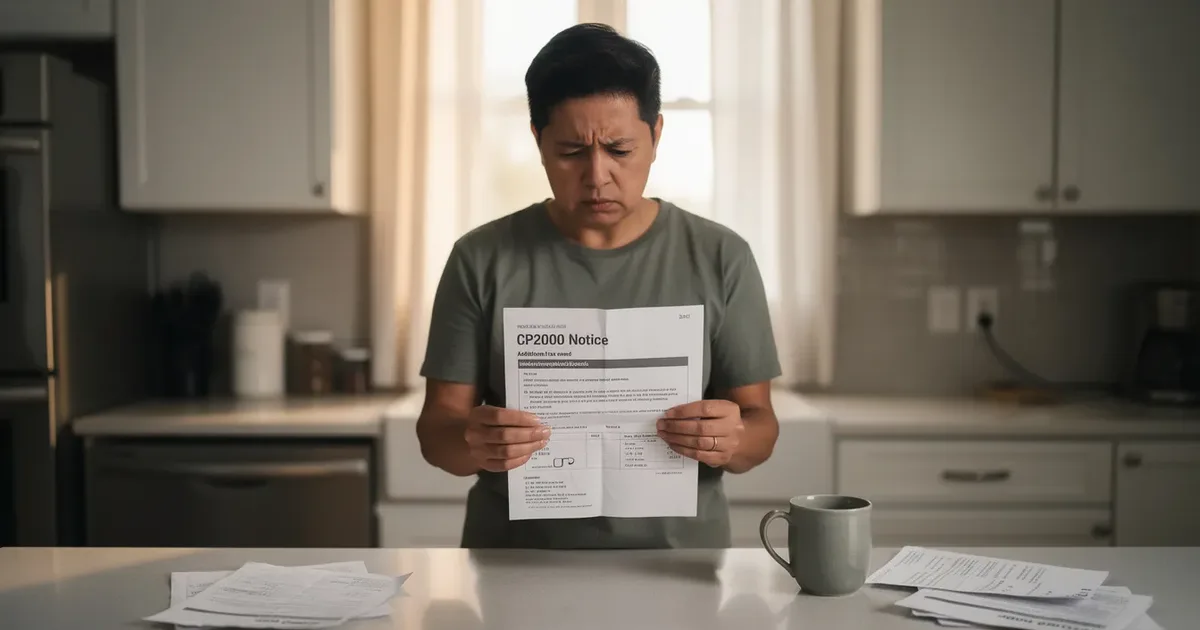 CP2000 & income mismatch
CP2000 How Long Response: 30-Day Deadline & IRS Timeline
Most taxpayers have just 30 days from the CP2000 notice date to respond, but the full timeline includes waiting periods, IRS review windows, and escalation points that can catch you off guard. This guide covers every stage in plain English.
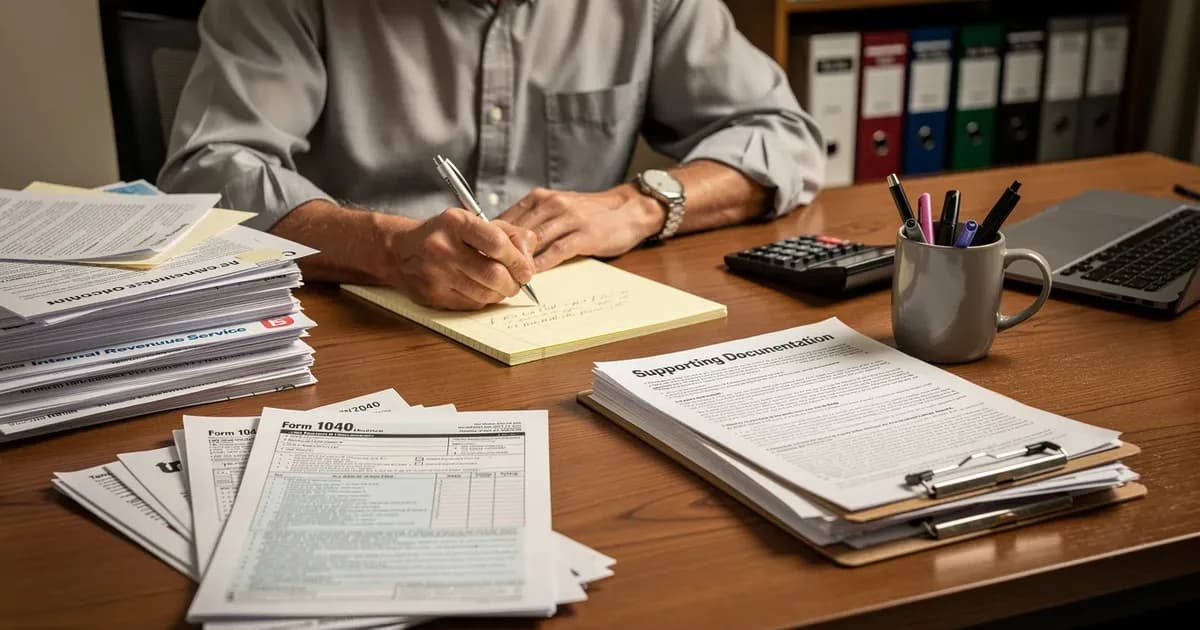 CP2000 & income mismatch
CP2000 Accuracy Penalty: What It Is and Next Steps
A CP2000 notice can include a 20% accuracy-related penalty on top of proposed extra tax. This guide explains what triggers it, how the IRS calculates it, and what your response options are.
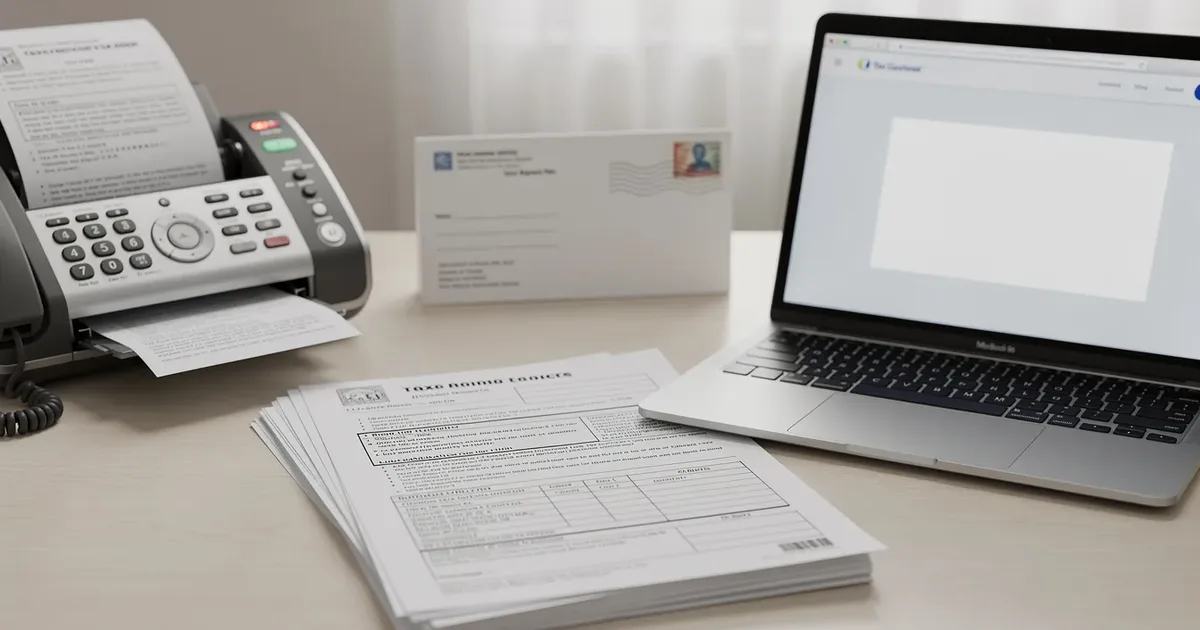 CP2000 & income mismatch
CP2000 Response: Upload, Fax, or Mail Ranked | ClearNotice
The IRS gives you three ways to respond to a CP2000 notice: upload, fax, or mail. This guide ranks all three by speed so you can pick the fastest option your notice allows before your 30-day deadline runs out.