
Someone filed taxes in my name. What do I do?
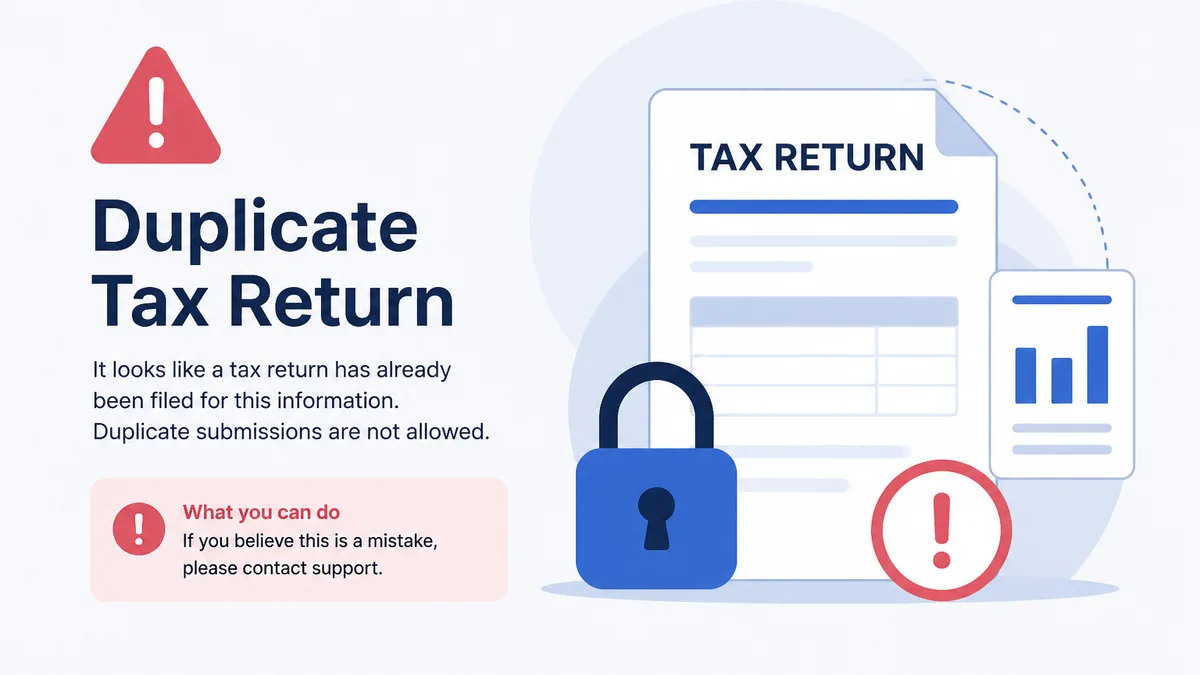
If someone filed taxes in my name, treat it as an emergency, not a billing mistake. Start with the identity instructions on any IRS letter you received, file Form 14039 (Identity Theft Affidavit), and follow the path for returns you did not submit. Request an IRS IP PIN for future years, place fraud alerts with credit bureaus, and keep copies of every mailing. Speed matters because a fake refund can still move while you wait.
How you usually find out
Most people learn about tax identity theft through mail, not a friendly phone call. Typical entry points:
- An IRS identity letter asking you to verify a return you never filed
- A rejection when you e-file because a return already exists under your Social Security number
- A refund direct deposit you did not expect, followed by confusion
- An employer or tax preparer flagging duplicate filing data
The moment you suspect someone filed taxes in my name, stop sharing personal data with unknown callers. Work from paper you already received or forms you download yourself from IRS.gov.
Hour one: secure your records
Before you fill out forms, gather:
- Government photo ID
- Social Security card or official SSA letter
- Any IRS notice referencing the fake return (note the tax year and notice code)
- Prior-year tax returns if you have them
- Bank account last-four digits if a refund was routed somewhere
Photograph or scan the identity letter. Write down dates you first learned about the problem. That timeline helps if you later need to explain delays to the IRS or credit bureaus.
Step one: read the letter path, not the refund path
Letter 5071C and similar notices include branches for taxpayers who did not file the return shown. If you try to verify identity as if you filed, you can accidentally confirm a fraudster's return.Use notice lookup to confirm the code on your page. Look for language about identity theft, Form 14039, or returns you did not submit. Follow that branch even if the letter also mentions online verification.
If you have no letter yet but e-file rejected for duplicate filing, still prepare Form 14039 and plan to mail a paper return for the year in question unless current IRS guidance for your situation says otherwise.
Step two: file Form 14039
Form 14039 tells the IRS you believe you are a victim of tax-related identity theft. It asks for contact details, the tax year involved, and facts about how you discovered the issue. Submit it the way the form and your letter instruct, often by mail with supporting ID copies.
Keep proof of mailing. The IRS may assign you to the Identity Theft Victim Assistance program, which can take months to fully resolve but stops some automated steps from treating the fake return as yours.
Do not skip this form because you "already called once." Paper creates the official flag in their systems.
Step three: file your real return the right way
Victims often still need to file an accurate return for the affected year. When a fraudulent return blocks e-file, a paper return with Form 14039 attached is a common path. Include W-2s, 1099s, and schedules you normally would.
If the IRS already posted a bogus refund, do not spend it. Follow return instructions about repaying erroneous refunds. That situation gets messy fast; a licensed tax professional helps when dollar amounts are large.
Step four: get an IP PIN for future protection
After identity theft, ask for an IRS Identity Protection PIN (IP PIN). It is a six-digit code the IRS mails or provides online to eligible taxpayers. Your e-filed return must include the correct PIN once you are in the program, which blocks many repeat fraudulent filings.
See our guide on what is an IRS IP PIN for enrollment details. Even if you are not yet approved for an IP PIN, request it as soon as the IRS allows after your affidavit.
Step five: protect credit and accounts
Tax identity theft often pairs with broader fraud. Same-week actions:
- Place a fraud alert or security freeze with major credit bureaus
- Review credit reports for accounts you do not recognize
- Change passwords on email and financial sites tied to your tax preparer
- Tell your bank if a refund hit an account you control unexpectedly
These steps do not replace IRS forms, but they reduce follow-on damage while the tax case works through the system.
Never verify a fraudulent return just to "move things along." Confirming a return you did not file can make it harder to unwind later. Use the identity theft instructions on the notice, not the shortcut quiz meant for legitimate filers.
Phone and online channels
You may still need to call the verification number on an identity letter to flag the return as fraudulent. Use the number printed on the notice, not a random search result. If idverify irs gov not working blocks you, switch to phone or an in-person Taxpayer Assistance Center appointment as the letter allows.
The IRS generally does not initiate identity theft resolution through social media DMs or gift-card payments. Hang up on callers demanding instant payment to "clear" a fake return.
What to expect over the next months
Tax identity cases rarely finish in one week. Common phases:
- Affidavit received and account flagged
- Fraudulent return frozen or adjusted
- Your true return processed, sometimes on paper
- IP PIN issued for future filing seasons
- Occasional follow-up letters asking for more proof
During that window, respond to every IRS mailing by its deadline. Missing a letter can re-open automated collection or refund paths tied to the bad return.
Working with a tax professional
Consider hired help when:
- A large refund was issued to a thief
- Multiple years show suspicious activity
- You run a business with payroll accounts affected
- You cannot get through verification phone lines during a short deadline
An enrolled agent, CPA, or tax attorney can pull wage and income transcripts, draft cover letters, and keep your paper trail organized while you execute the credit and PIN steps yourself.
Checklist you can print
- Confirm notice code via notice lookup
- Mail Form 14039 with ID copies as instructed
- Follow identity theft branch on Letter 5071C or your specific notice
- File accurate paper return if e-file blocked
- Request IP PIN enrollment
- Place credit fraud alert or freeze
- Save copies of all mail and call dates
Someone filed taxes in my name is frightening, but the IRS has a defined victim path. Move through that path in order instead of guessing, and you reduce the chance a fake refund becomes your long-term tax headache.
Quick follow-ups
Do I still file my real return if a fake one exists?
Usually yes, on paper with Form 14039 attached, unless the IRS tells you to wait. Follow the instructions on your identity letter for the exact order.
Will the IRS tell me who filed the fake return?
Investigations are limited in what they share. Focus on locking your account, stopping bad refunds, and filing correctly yourself.
How fast should I act?
Start the same week you learn about the filing. Delays can let a fraudulent refund move or create more mismatched records.
Upload a photo for a free plain-English explanation of your amounts, deadline, and options.

Founder of ClearNotice · Updated August 2026 · About