
The IRS is reviewing my refund. Is that bad?
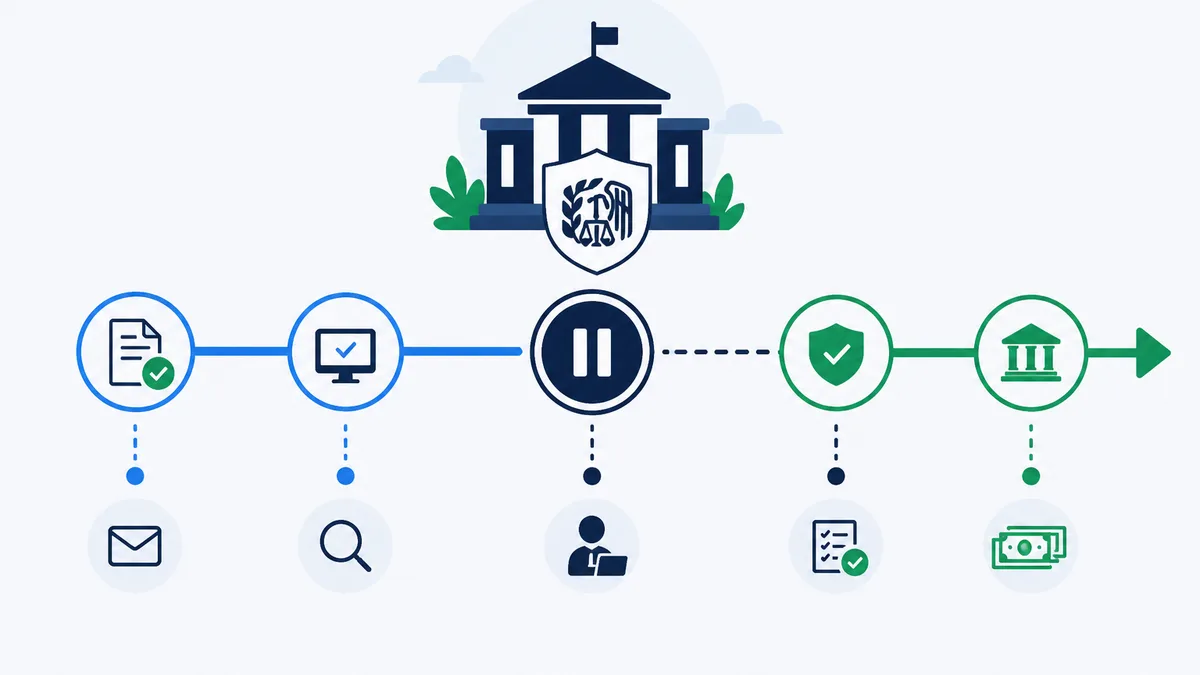
When the IRS is reviewing my refund, the hold is often a routine pre-refund check, not a finding that you did something wrong. A common letter is CP05, which pauses the refund while income, withholding, or credits are verified. Extra calls and incomplete mailings can slow things down. Read whether the notice asks you to wait or to send documents, then follow that path.
Routine review versus a problem review
Routine screening holds
Refunds are outbound payments. Screening systems compare your return to wage, withholding, and information returns. When a filter flags a return, the IRS may hold the refund and mail an explanation. In many cases no documents are requested at the first step. The agency simply needs more processing time. That experience feels personal; the selection logic is often automated and impersonal.
Signs the review may be routine:
- The letter says to wait and not to call yet
- No document checklist is enclosed
- Where’s My Refund shows a delay or review message without a new balance due
- You recognize the return as the one you filed
Reviews that need action sooner
Some holds point to identity questions, missing schedules, or follow-up letters that ask for proof. Examples include identity verification letters, CP05A-style document requests, or credit exams with their own forms. Those are still not always “bad” in a moral sense, but they are not pure waiting games. Missing a document deadline on a follow-up letter can change the refund amount or delay release further.
What CP05 usually means
A CP05 tells you the refund is delayed while the IRS reviews parts of the return. Typical themes on the notice include income, income tax withholding, tax credits, and sometimes business income. The letter often states that if you filed the return, you do not need to take action at that stage, and it sets an initial waiting window (commonly described as up to 60 days from the notice date before you call about status).
If you are unsure whether your envelope is a CP05 or another hold letter, identify the code with notice lookup before you call or mail anything.
CP05 is not the same as a bill. It does not, by itself, claim you owe more tax. It also is not the same as a completed audit. Think of it as a pause button on the refund until verification finishes or a later letter asks for papers.
Possible outcomes after a CP05-type review include:
- Release of the refund as filed
- A request for supporting documents
- An adjustment notice explaining a changed refund amount, which you may be able to dispute under the instructions on that later letter
None of those outcomes is promised for every case. They are the main branches people see.
Timelines in plain terms
Refund reviews do not run on a single universal clock. A CP05-style notice often points to a first checkpoint around 60 days. Some reviews finish sooner. Others stretch longer, especially during peak filing season or when a second letter is issued. Where’s My Refund and your IRS online account (if you have one) can show status messages, but those tools refresh on their own schedules.
If hardship is severe (you cannot cover housing, utilities, or essential medical costs because of the delay), the Taxpayer Advocate Service is an independent office that can review hardship cases. That path is for genuine hardship, not for ordinary impatience.
What to send, and what not to do
Helpful moves
- Keep the CP05 (or related letter) and note its date
- Confirm your mailing address is current with the IRS so follow-up mail reaches you
- Watch Where’s My Refund periodically without refreshing every hour
- If a later notice asks for specific documents, send clear copies of exactly what is listed
- If the return was not yours, follow identity-theft instructions immediately
Moves that often create friction
- Calling before the notice’s suggested wait period when the letter says to wait
- Mailing a pile of unrelated bank records “just in case” when no documents were requested
- Filing a second “corrective” return that creates duplicate filing confusion without advice
- Paying a random caller who claims they can release your refund today
- Ignoring a document request letter that arrives after the first review notice
If a follow-up letter sets a date to provide documents and that date passes without a reply, the IRS may adjust your refund or continue holding it under its review procedures. Treat document deadlines as real deadlines even when the first letter only asked you to wait.
Identity holds sitting next to refund reviews
Sometimes the pause is less about math and more about proving you are the filer. Identity letters and refund reviews can feel similar because both delay money. They use different codes and different steps. If your letter mentions identity verification or directs you to idverify.irs.gov or a phone script, that is a verify-first problem, not a pure CP05 wait. Mixing the two paths causes people to mail tax worksheets when the agency actually wants ID confirmation.
How to read status without spiraling
Write down:
- Notice code and notice date
- Whether the letter says wait, call, or send documents
- The tax year of the refund
- Any second letter that arrived later
Update the note when status tools change. That small log helps if you later speak with the IRS or a licensed professional, because you can recite facts instead of feelings.
When professional help fits
Large business credits, multi-year amended returns, or mixed identity-plus-exam issues can exceed a simple wait guide. An enrolled agent, CPA, or tax attorney can read transcripts, spot whether a hold is exam-related, and draft responses to document requests. For a standard CP05 with no document ask, many people simply wait through the stated window while monitoring official status tools.
Bottom line on “is that bad?”
Hearing that the IRS is reviewing my refund is stressful because cash flow is real. In many cases the review is a screening step described on notices like CP05, and the productive response is patience plus careful reading of any later request. Bad outcomes are more often tied to missed document dates, identity problems left unaddressed, or scam “fixers” than to the existence of a review itself. Match your letter’s instructions, avoid unforced errors, and escalate only when the notice or your hardship situation calls for it.
Quick follow-ups
Is a refund review the same as an audit?
Usually no. A pre-refund review checks return details before money is released. Audits use different letters and processes.
Should I call the IRS the day I get a CP05?
Many CP05 notices ask you to wait about 60 days from the notice date before calling if nothing arrives. Calling early rarely speeds the review.
What if I did not file the return being reviewed?
That can signal identity theft. Follow the identity instructions on the notice, which may include Form 14039, rather than waiting silently.
Upload a photo for a free plain-English explanation of your amounts, deadline, and options.

Founder of ClearNotice · Updated August 2026 · About