The IRS's identity-verification letters come in three flavors, sorted by how the agency wants to meet you: online (5071C), in person (5747C), and, with this one, by telephone. The 4883C's job is identical to its siblings': a return arrived under your Social Security number, the fraud screens want a human confirmation before any money moves, and your return sits in suspense until that happens. What's different is the format. Phone verification is an interview, the agent's questions come from your own tax documents, and the whole outcome turns on whether those documents are on the desk in front of you when you dial.
What is Letter 4883C?
Letter 4883C tells you the IRS received a Form 1040-series return under your name and SSN (or ITIN) and, in its words, "to protect you from identity theft, we need you to verify your identity and the tax return so that we can continue processing it." The instruction is specific: call the Taxpayer Protection Program hotline printed on the letter. And the stakes are stated just as plainly: "Until we hear from you, we won't be able to process your tax return, issue refunds, or credit any overpayments."
Why phone rather than the online service? The IRS routes verification cases through different channels based on the specifics of what its screens flagged, so you don't get to choose, and the letter you received defines your path. The practical takeaway: don't burn days trying to verify a 4883C through the online tool built for its sibling letter. Read your own letter's instructions, prepare for the call it prescribes, and make it once, well.
Why your return needs a phone check
- Fraud-screen signals. The same quiet factors that trigger any verification letter: a first return, changed addresses or bank accounts, a refund out of line with history, or filing patterns that resemble known fraud shapes.
- Data that couldn't self-verify.Mismatched or not-yet-processed employer filings, name changes, or ITIN situations that the automated matcher couldn't resolve alone.
- Routing specifics. Some flag types go to phone verification by design, including many cases where the online service wouldn't be able to complete the check.
- A genuinely fraudulent filing. Sometimes the screens are right: someone filed as you. The call is where that gets discovered and unwound, one more reason not to postpone it.
How to read your Letter 4883C
THE TREASURY
Want your call prepped in advance?
Upload your Letter 4883C and get a free walkthrough covering the documents to stage, the questions to expect, and the follow-up timeline after you pass.
The desk setup: what to have before you dial
The IRS's own checklist for this call is short and non-negotiable, treat it as a physical staging exercise:
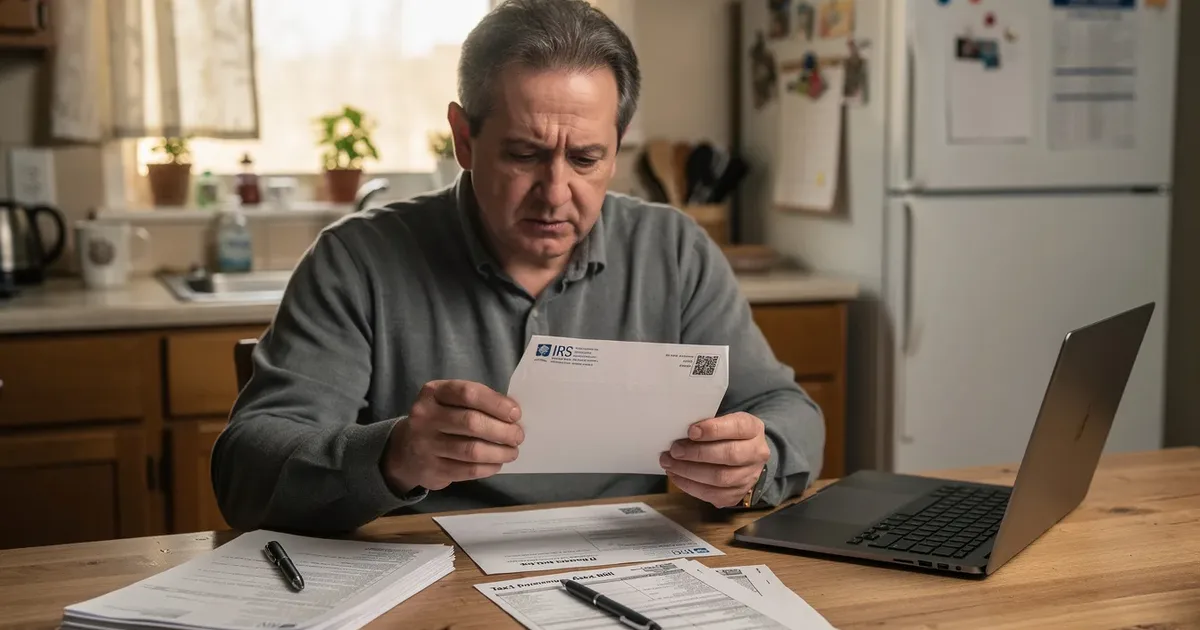
1. The 4883C letter itself.The agent will reference it, and its notice details confirm you're the addressee.2. The tax return named in the letter, your complete copy, every schedule. Questions like "what's the amount on line X" or "which bank account did you list" come straight from it. If a preparer filed for you, get your copy before calling.3. A prior-year return, if you filed one, history questions are the classic tiebreaker between a real filer and an impostor holding one year's stolen data.4. The supporting documents behind the flagged return: W-2s, 1099s, Schedule C or F records. Employer names, withholding amounts, income figures, all fair game.
Add the practical layer: a quiet room, an hour of calendar (hold times are the tax on all IRS phone work, early morning calls fare best), and a pen for the agent's name, badge number and any reference number. If you'd rather not make the call yourself, an authorized representative with a Form 2848 power of attorney can handle it, useful for elderly relatives or anyone daunted by phone bureaucracy.
Your options
How to handle it, step by step
Confirm the letter is genuine
Postal mail, a specific tax year, a Taxpayer Protection Program number, and no payment demands. Unsure? Look up "Letter 4883C" on irs.gov independently before dialing anything.
Assemble the four-document desk
Letter, flagged return, prior-year return, W-2s/1099s. Don't dial until they're physically in front of you.
Call the hotline, early, and once
Morning calls beat afternoon queues. Answer from your documents, not memory; "let me check" beats a wrong guess every time.
Record the outcome
Date, agent, reference number, and what was decided, verified, escalated, or fraud-flagged. This note is your anchor for any follow-up.
If verification can't complete by phone
Some cases escalate to an in-person appointment (the 5747C process). Frustrating, but it's the definitive channel, schedule it promptly rather than re-trying the phone.
Watch the nine-week runway
After passing, allow up to 9 weeks for the refund or credit. Track Where's My Refund; a silent week ten earns a follow-up call.
If the return wasn't yours
Telling the hotline "I didn't file that return" is the moment a fraud attempt dies. The IRS removes the bogus filing from your account so your genuine return can be filed and processed (expect extra handling time while the record is cleaned). Follow the agent's direction onForm 14039, the Identity Theft Affidavit, where your case calls for it. Then install the permanent lock: an Identity Protection PIN, the annual six-digit code (delivered each year via CP01A) without which no e-filed return under your SSN gets accepted. Round it out with the standard perimeter defense: credit freezes, a report at IdentityTheft.gov, and new passwords on financial accounts. An attempted tax fraud usually means your data is circulating; the tax lock is step one, not the whole job.
Common mistakes with a Letter 4883C
- Putting off the call, the return waits indefinitely; there is no auto-release, and every idle week is a week added before any refund.
- Calling unprepared, failed verification means repeat calls and possible escalation; the documents are the pass.
- Trying to verify online, your letter prescribes the phone; the online service belongs to a different letter's process.
- Trusting inbound "IRS" calls, verification travels one direction: from you, to the number on your paper letter.
- Skipping the IP PIN after confirmed fraud, cleaning up one fraudulent return without locking the account invites the sequel.
Letter 4883C, Frequently asked questions
What is IRS Letter 4883C?
Can I verify a 4883C online instead of calling?
What do I need before calling about a 4883C?
What happens if I don't call about my 4883C?
How long after verifying a 4883C will I get my refund?
What if I didn't file the return on the 4883C?
Related notices
Browse the complete directory of IRS notices orlook up any notice number.