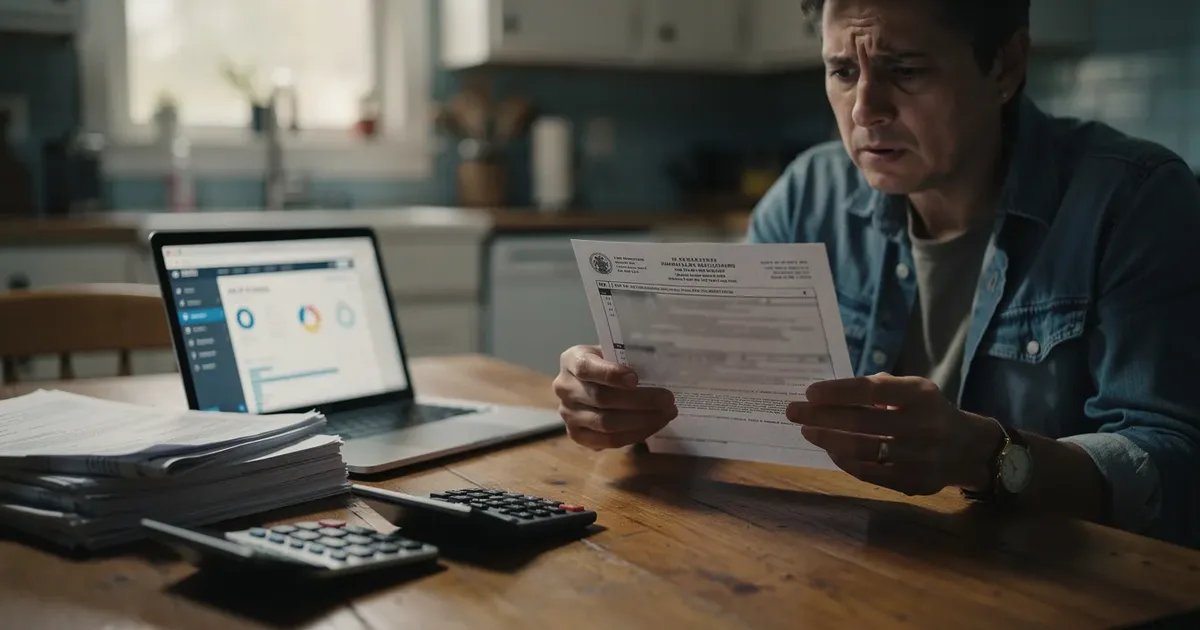
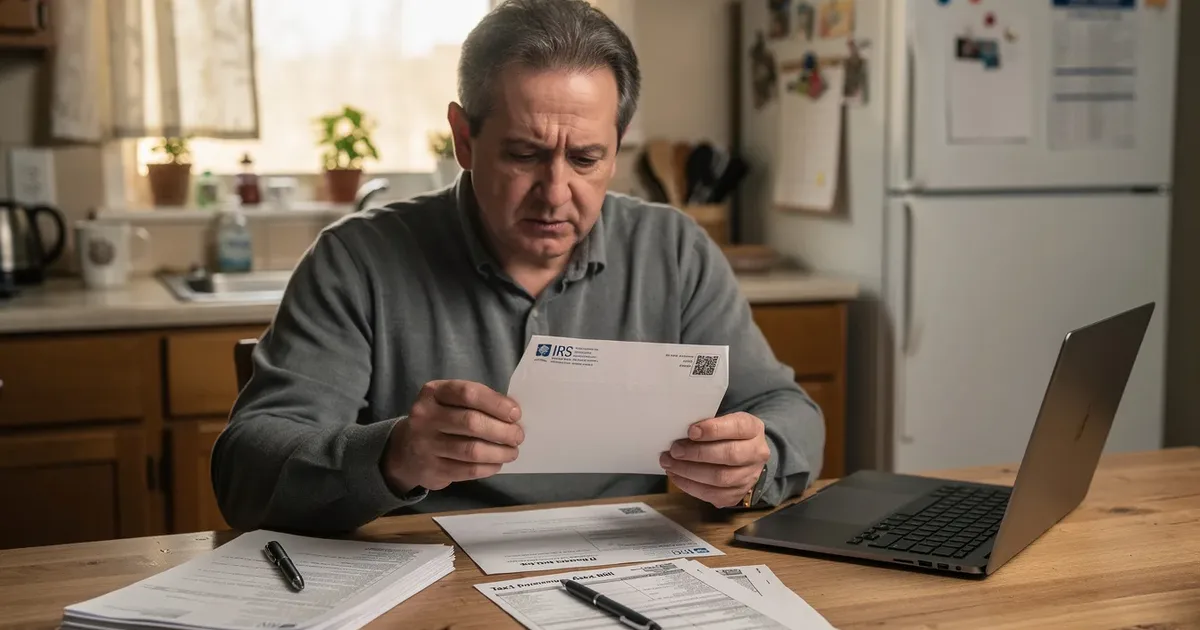
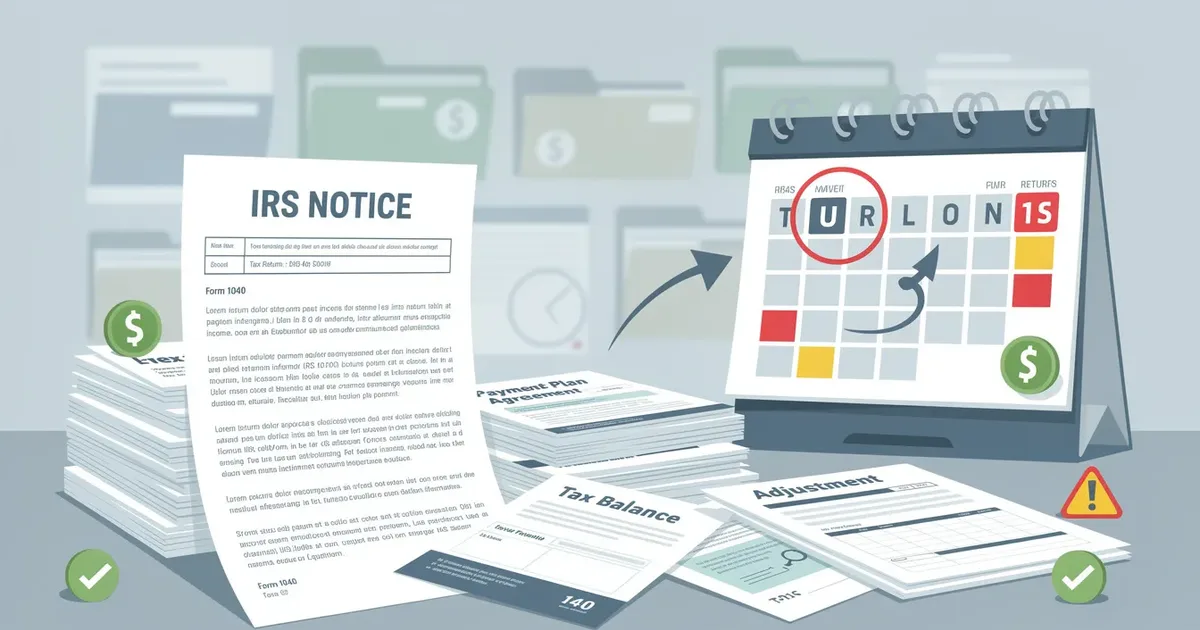
Somewhere between the IRS's printers and your bank account, a refund check fell out of the system, mailed to an old apartment, buried under a season's paperwork, or simply never deposited during a chaotic year. Treasury checks have a shelf life, that one's ran out, and the CP32A exists to say so and to offer the fix. Among the thirty-plus notices in this library, it's the only one whose entire message is "we owe you, come get it." Which is precisely why its one danger is so easy to underestimate: letters that demand nothing get filed and forgotten, and the legal window for claiming a refund doesn't stay open forever.
What is a CP32A notice?
A CP32A tells you that a refund check the IRS sent you was never cashed and has now expired, and asks you to call the number on the notice to request a new one. The essential fact: the expiry killed the piece of paper, not the refund. The credit still sits on your account, and the reissue process exists precisely to convert it back into money, the IRS's stated timeline is a replacement check within 30 daysof your request.
Why do checks expire at all? U.S. Treasury checks are valid for one year from their issue date, after that, banks won't honor them. It's an anti-fraud and bookkeeping measure, and it makes uncashed refunds a routine, well-handled category rather than an anomaly. The CP32A is the routine handling: the system noticed the stale check, voided it, and queued your refund for a fresh start on request.
How refund checks end up uncashed
- The move.The dominant cause: you relocated, mail forwarding lapsed or never applied to the check, and it boomeranged or sat in someone else's mailbox. Refund checks go only to your address of record.
- The pile. A windowed government envelope landed in a stack of documents during tax season and aged there quietly. It happens to organized people constantly.
- Life intervened.Illness, a death in the family, a deployment, a divorce , seasons when banking a check wasn't anyone's priority.
- Someone else's mail management. Checks for elderly relatives, dependents or recently deceased taxpayers often surface long after issue, estate and family situations have their own reissue paths, which the IRS phone line can direct you through.
- You didn't know it existed. Amended-return refunds and adjustment-driven refunds (after a CP12, for example) arrive months after filing, when nobody is watching the mailbox for IRS envelopes.
How to read your CP32A
THE TREASURY
Cross-check the amount against your records for the year in question, your filed return, or the adjustment notice that generated the refund. If the figure surprises you (larger, smaller, or a year you don't recognize), your IRS online account and that year's transcript explain where it came from before you call.
Want to know what this check was for?
Upload your CP32A and get a free plain-English breakdown of which year and filing produced the refund, and the exact steps to claim it before the window closes.
The clock you shouldn't test: the refund statute
The CP32A carries no printed deadline, but a legal one stands behind it: theRefund Statute Expiration Date (RSED). The tax code limits how long a refund can be claimed and paid, generally anchored to three years from the return's due date(with variations for payments and special situations). Once that period runs out, the money doesn't return to your account in some other form; it becomes property of the Treasury, permanently and without appeal.
For a CP32A answered the month it arrives, the RSED is rarely an issue. It becomes one for exactly the people this notice tends to reach, those whose mail wandered, whose lives were churning, whose paperwork runs a year behind. If your notice has itself been sitting in a drawer, don't research; call. The request costs minutes and preserves everything; delay preserves nothing.
Your options
How to claim your refund, step by step
Match the refund to its source
Find the year and filing that produced it, your return copy or the adjustment notice. Knowing the origin makes the call faster and flags any surprises early.
Confirm your address of record
Check it in your IRS online account. If it's stale, update it there or file Form 8822, which is the single step that determines whether the replacement reaches you.
Call the number on the notice
Have the notice, your SSN, and last year's return handy for identity verification. Request the reissue; note the date, agent ID and any reference number.
Destroy the expired check
If you found the original, shred it. It's void, depositing it fails at best and muddles the reissue at worst.
Watch the 30-day window
The replacement should arrive within about 30 days. Nothing by week six? Call back with your reference number, and check whether the payment shows on your online account.
Switch future refunds to direct deposit
When you next file, choose direct deposit, instant, unlosable, unexpirable. Form 8888 can even split a refund across checking, savings and retirement accounts.
Common mistakes with a CP32A
- Filing it away as "no action needed", but this is the one pleasant IRS notice that absolutely requires a response; no call, no check.
- Depositing the expired original, banks reject year-old Treasury checks, and the attempt can complicate the clean reissue.
- Reissuing to a dead address, the number-one repeat failure; fix the address first, always.
- Sitting on it for "someday", the refund statute quietly converts procrastination into permanent loss; someday has a legal expiry date.
- Engaging with unsolicited "refund recovery" contacts, the only legitimate channel is the number printed on your own notice.
CP32A, Frequently asked questions
What is a CP32A notice?
Why did my refund check expire?
How do I get my expired refund check reissued?
Is my refund lost if I wait too long?
What if I moved since the check was sent?
How do I avoid expired refund checks in the future?
Related notices
Browse the complete directory of IRS notices orlook up any notice number.