
What is an IRS IP PIN and should I get one?
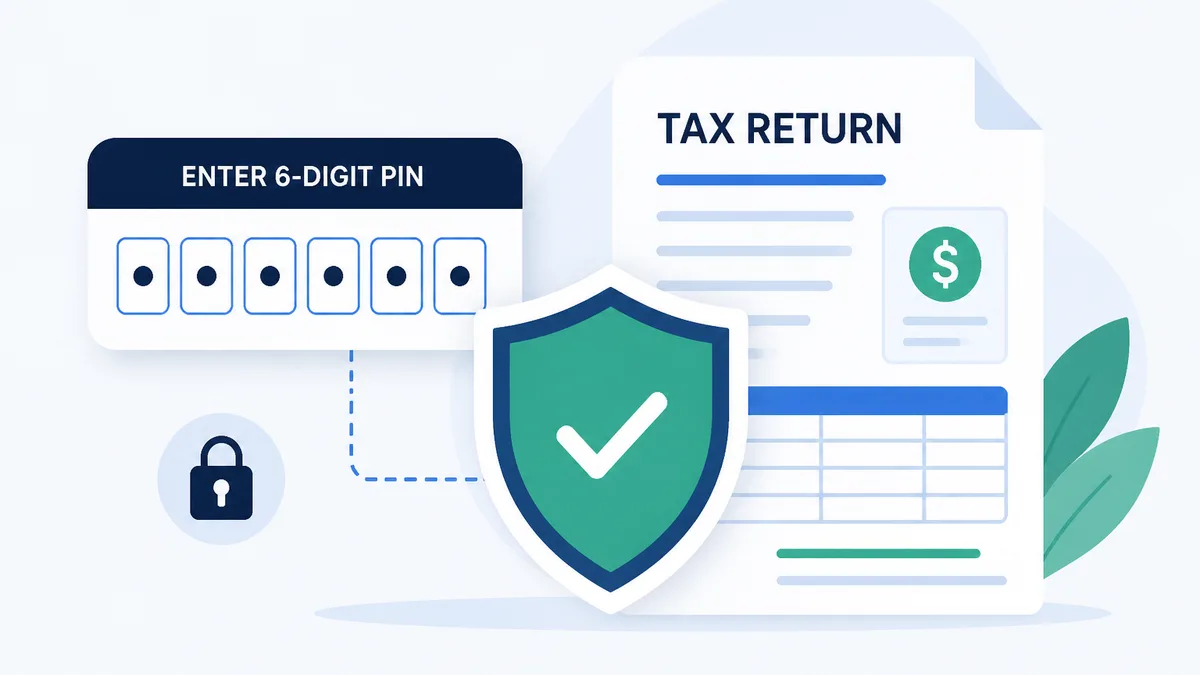
An IRS IP PIN is a six-digit Identity Protection Personal Identification Number the IRS assigns to eligible taxpayers. You enter it when you e-file so the IRS knows the return came from you, not a thief using your Social Security number. People with confirmed tax identity theft usually should enroll. Others may opt in if the IRS invites them or if they qualify through the online Get an IP PIN tool after identity verification.
What the IP PIN actually does
Think of the IRS IP PIN as a second key for electronic filing. When your account is in the IP PIN program:
- Your valid e-file return must include the current season PIN
- Returns filed without the correct PIN are often rejected automatically
- A thief who stole your SSN cannot easily e-file in your name without that code
The PIN does not replace your Social Security number, and it is not your IRS online account password. It is a yearly code tied specifically to federal tax filing.
Paper filers in the program may need to write the PIN on the return depending on current form instructions. Check the year-specific guidance on IRS.gov before you mail.
How you receive a CP01A letter
Many participants first hear about the program through CP01A, an annual notice that mails your new IP PIN for the upcoming filing season. The letter reminds you not to share the PIN and to keep it until you finish e-filing.
If you moved recently, make sure the IRS has your current address so the PIN letter reaches you before filing season peaks. A missing CP01A can delay e-file until you retrieve the PIN online or by phone following IRS procedures.
Confirm unfamiliar notice codes on notice lookup before you enter digits from a page that might be outdated or fraudulent.
Who should get an IRS IP PIN
Strong yes: confirmed tax identity victims
If someone filed taxes in my name or the IRS accepted Form 14039 for your case, enrolling is usually the right move. The IP PIN closes a common door thieves use the next spring.
Victims often enter the program after the Identity Theft Victim Assistance process starts. Follow every IRS letter about PIN assignment; do not wait until e-file rejects you again.
Consider opt-in: proactive protection
The IRS periodically expands voluntary IP PIN access through its online tool for taxpayers who pass identity verification. Opt-in can make sense if:
- You had non-tax identity theft and worry about tax follow-on fraud
- You manage an elderly parent's return and want extra filing locks
- Your preparer recommends it after duplicate SSN filing attempts
Voluntary enrollment adds a yearly step. If you lose PIN letters easily or file late every season, weigh convenience against security.
Maybe skip for now: low-risk filers with no incidents
If you never had identity letters, e-file rejections, or Form 14039 filings, you might not need a PIN yet. Standard filing works for millions of households. Revisit the decision if an IRS identity verification letter didn't file scenario appears.
How to get and use the PIN each year
Typical flow for enrolled taxpayers:
- IRS mails CP01A with the new season PIN (or you retrieve it online if eligible)
- You give the PIN to your preparer or enter it in tax software
- E-file submits with the PIN attached to your return
- IRS matches the PIN before accepting the electronic return
Store the PIN like a bank code: not in email subject lines, not on social media, not in shared cloud notes with open links.
If your spouse also has an IP PIN, each person's PIN rules apply to their side of a joint return per current IRS instructions.
Common mistakes that cause rejections
- Using last year's PIN for the current filing season
- Typing six digits in the wrong box in tax software
- E-filing before the IRS activates the new PIN for that year
- Forgetting to tell a new preparer you are in the program
When rejection happens, read the exact error code. Often the fix is fetching the current PIN, not amending the whole return.
Scammers impersonate CP01A mail and "IP PIN reset" emails. Real PIN notices arrive through postal mail for most people, and the IRS does not demand gift cards to release a PIN. If a message pressures instant payment, ignore it and use IRS.gov directly.
IP PIN versus other IRS security tools
| Tool | Purpose |
| --- | --- |
| IRS IP PIN | Blocks unauthorized e-file on your SSN |
| Identity verification letter | Confirms you filed a specific return under review |
| IRS online account | Shows notices, payments, and some transcripts |
| Form 14039 | Reports tax identity theft officially |
These tools overlap but do not replace each other. A PIN helps prevent repeat fraud; Form 14039 fixes fraud already in the system.
After identity verification letters
If you just finished verify identity with the IRS steps on Letter 5071C, ask whether your case qualifies for IP PIN assignment. Verification and PIN enrollment are related but separate. Finishing a quiz online does not always auto-enroll you; watch for follow-up CP01A or enrollment letters.
Renewing each season
Mark your calendar when CP01A usually arrives in your prior years. Set a filing-season reminder to locate the PIN before your preparer appointment. Tax software cannot guess the digits.
If you lose the letter, the IRS online Get an IP PIN tool may help authenticated users retrieve a current code. Phone options exist but hold times grow in March and April.
Should you get one? A simple decision tree
- Victim of tax identity theft? Enroll as soon as IRS guidance allows.
- E-file rejected because a return already exists? File Form 14039, then pursue a PIN.
- No incidents but high anxiety? Consider voluntary enrollment if you pass online identity checks.
- No incidents and simple returns? Optional; monitor mail and credit instead.
An IRS IP PIN adds yearly homework in exchange for a stronger filing lock. For people who already fought fraudulent returns, that trade is usually worth it. For others, knowing what the PIN does helps you act fast if a letter arrives next season.
Quick follow-ups
Can I e-file without my IP PIN once I am enrolled?
Generally no for the primary taxpayer in the program. Missing or wrong PINs often reject e-file until you fix it or follow IRS fallback steps.
Does an IP PIN stop all identity theft?
It blocks many fraudulent e-file attempts tied to your Social Security number, but you should still protect credit files and watch for odd IRS mail.
Is the IP PIN the same every year?
No. The IRS issues a new IP PIN each filing season for participants in the program.
Upload a photo for a free plain-English explanation of your amounts, deadline, and options.

Founder of ClearNotice · Updated August 2026 · About