Of the IRS's three identity-verification letters, the 5747C is the one that asks the most of you, not a website session like the 5071C, not a phone call like the 4883C, but a physical visit to a federal office with documents in a folder. The IRS reserves this tier for cases where remote verification isn't suitable: higher-risk fraud patterns, situations where remote checks already failed, or profiles the screens simply can't resolve without seeing a person and an ID side by side. The silver lining of the strictest process is its finality, nobody leaves a successful TAC appointment wondering if their verification "took."
What is Letter 5747C?
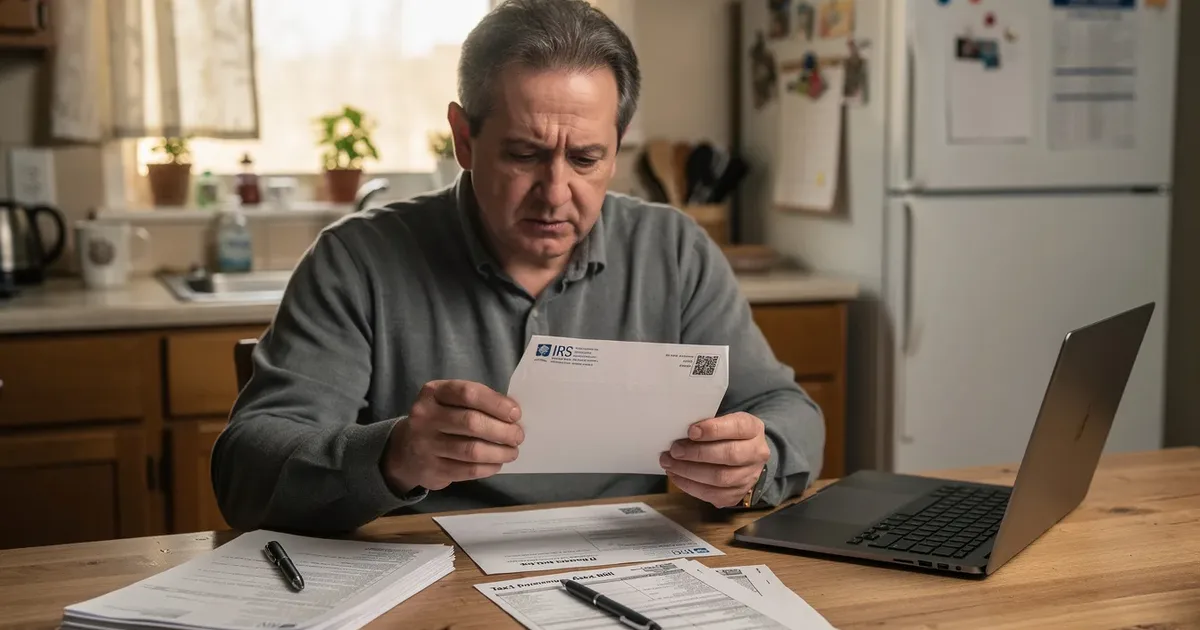
Letter 5747C tells you that a federal tax return was filed under your SSN or ITIN, and that before processing it, the IRS needs you to verify your identity in person, by scheduling an appointment at a Taxpayer Assistance Center (TAC) using the toll-free number on the letter. Two rules define the process:you must attend personally (an authorized representative may come withyou, but cannot appear instead of you), and until the visit happens, the IRSwon't process the return, issue a refund, or credit overpayments.
There's one important exception to the "you must appear" rule, and it's on the letter itself: if you didn't filethe return in question, you call the Taxpayer Protection Program hotline to say so, reporting a fraudulent filing generally doesn't require the office visit. The in-person requirement exists to verify a real filer; if the filing was never yours, the phone report is the correct first move.
Why your case went in-person
- Higher-risk flag patterns. Some fraud signatures, clusters of suspicious filings, significant refund amounts, compromised-data indicators, route straight to the strongest verification tier.
- Remote verification failed or wasn't possible.If online identity proofing rejected you, or phone verification couldn't be completed, in-person is the escalation path.
- Thin or unusual identity footprints. New arrivals, young filers, people without credit histories or consistent records, legitimate taxpayers whose identities are simply hard to verify remotely.
- Known identity-theft exposure. Accounts with prior fraud history sometimes get the face-to-face treatment as protection, not suspicion.
None of these imply the IRS thinks you did anything wrong. The screens grade situations, not character, and the situations above all verify successfully at a counter every day.
How to read your Letter 5747C
THE TREASURY
Want your appointment folder built in advance?
Upload your Letter 5747C and get a free preparation checklist covering every document to pack, and the fallback plan if a piece is missing.
The appointment folder: pack it completely
Failed TAC visits are almost always documentation failures. The IRS's list for a 5747C appointment, assembled as a physical folder:
Identity documents. A valid government-issued photo ID, driver's license, state ID card, or passport, plus at least one more identity document: Social Security card, mortgage statement, lease agreement, or a utility bill in your name. Bring two extras rather than one; redundancy costs nothing and rescues appointments.
Tax documents. The 5747C letter itself; a complete copy of the tax return referenced in the letter (every schedule); aprior-year return if you filed one; and the supporting documentsbehind the flagged return, W-2s, 1099s, Schedule C or F records. The appointment verifies both who you are and that the return is genuinely yours, so the assessor may walk through the filing with you.
If a representative is joining you, add their Form 2848 authorization to the folder. And if any listed document is impossible for you to produce, call the scheduling number and ask what alternatives your case allows before the appointment, the counter is a bad place to discover a gap.
Your options
How to handle it, step by step
Decide which script is yours
Filed the return: appointment path. Didn't file it: hotline report. Everything downstream differs, so settle this first.
Call the scheduling number today
Take the earliest available slot at the most practical TAC. Note the date, time, location and any confirmation details.
Assemble the folder over the lead time
Photo ID, second identity document (plus a spare), the letter, the flagged return, a prior-year return, W-2s and 1099s. Physically together, before the day.
Plan the visit like the errand it is
TACs run on appointments, arrive early, bring the folder, expect security screening, budget an hour-plus. Reschedule by phone if life intervenes; don't just no-show.
Confirm the outcome before leaving
Ask explicitly: is my identity verified, is the return confirmed, is anything else needed? Leave with the assessor's answer, not assumptions.
Track the nine-week runway
After a successful visit, allow up to 9 weeks for the refund or credit. Where's My Refund tracks it; a silent week ten earns a follow-up call.
If the return wasn't yours
The hotline report starts the cleanup: the fraudulent return comes off your account, your genuine return can be filed and processed (allow extra handling time), and the IRS directs any paperwork your case needs, Form 14039, the Identity Theft Affidavit, where applicable. Then lock the door the fraudster used: opt into theIdentity Protection PIN program, which issues a fresh six-digit code each year (via CP01A) that all future returns under your SSN must carry. Since a fraudulent tax filing means your personal data is in circulation, finish with the broader perimeter: credit freezes at the bureaus, a report at IdentityTheft.gov, and new credentials on your financial accounts.
Common mistakes with a Letter 5747C
- Waiting to book, appointment scarcity is the real deadline; every week unbooked is a week added to the freeze.
- Sending someone in your place, the personal-appearance rule has no workaround; a representative accompanies, never substitutes.
- Arriving with one ID, the second identity document is required, and a third is cheap insurance.
- Leaving the return copies at home, the visit verifies the filing too; identity documents alone can't finish the job.
- Sitting through the appointment when you never filed, the hotline report is the correct (and faster) channel for fraud cases.
Letter 5747C, Frequently asked questions
What is IRS Letter 5747C?
How do I schedule the appointment for a 5747C?
What do I bring to a 5747C appointment?
What happens if I ignore a Letter 5747C?
What if I didn't file the return mentioned in the 5747C?
How long after the appointment will my refund arrive?
Related notices
Browse the complete directory of IRS notices orlook up any notice number.