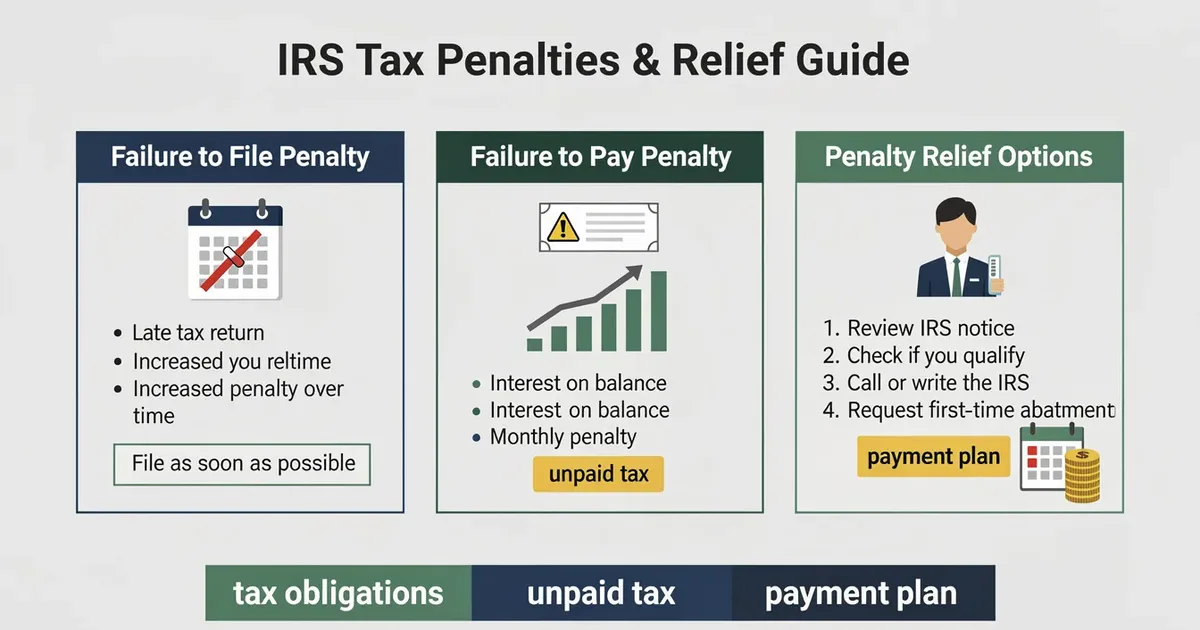
By the time a CP503 arrives, the IRS has typically written to you twice, aCP14 bill, then a CP501reminder, over roughly ten weeks, and its system has recorded no payment, no plan, and no phone call. The CP503 exists to say one thing: the automated patience is running out. That sounds ominous, but read it the other way: you're being told, in writing and in advance, that you still have a short stretch where resolving this takes fifteen minutes online instead of certified letters, hearing requests and seized refunds. Very few debt collectors are this predictable. It's worth taking advantage of.
What is a CP503 notice?
A CP503 is the second reminderin the IRS's automated collection stream, the notice sent when an individual balance remains unpaid and unanswered after the initial bill and the first reminder. Its own words sum it up: "we haven't heard from you and you still have an unpaid balance on one of your tax accounts."
Legally, it's the same species as the letters before it: a demand for payment, with no power to take anything. No new tax has been assessed; the balance is your original debt plus the interest and failure-to-pay penalty that accumulated along the way. Like the CP501, it warns that the IRS may file a Notice of Federal Tax Lien, but at this stage the warning is closer to the event. What the CP503 really marks is a position: you are now one notice away fromCP504, the point where the sequence stops being polite.
Why you received it
Reaching the third letter usually means one of these is true:
- The earlier notices genuinely went unanswered, set aside, lost in a move, or deprioritized while the balance quietly grew. This is the majority case, and it's recoverable.
- You responded, but the account doesn't show it. A check that never posted, a payment credited to the wrong tax year, an online plan application abandoned at the last screen. The mail stream only stops when the account shows a resolution.
- A partial payment left a remainder.Paying most of a bill doesn't pause the sequence for the rest, the leftover balance keeps escalating with penalties attached.
- The mail found you late. If IRS letters chased an old address, the CP503 (or a forwarded bundle of all three) may be your actual first contact. The clock, unfortunately, has been running since the first bill.
The response differs sharply between "I owe this and haven't dealt with it" and "I dealt with it and the system missed it", so before anything else, establish which one you're in. Your IRS online account answers that in five minutes.
How to read your CP503
THE TREASURY
Two details deserve a careful look. First, the tax year: if you owe on several years, each runs its own notice sequence, and a CP503 for 2024 can coexist with a CP14 for 2025. Second, the bill summary: the base tax should match your original CP14, with only the penalty and interest lines grown. If the tax itself moved, pull your account transcript before paying, an adjustment or reversed credit may have landed on the account, and you want to know what it was.
Want this done for your actual notice?
Upload your CP503 and get a free plain-English breakdown of how much is penalty vs. tax, your exact due date, and the fastest way to stop the escalation.
Your deadline, and what a CP504 changes
Respond by the due date printed on the notice. If the account still shows nothing after that, the next mailing is a CP504, and the character of the sequence changes with it:
- It arrives by certified mail, so you'll sign for it, and it's designed to be impossible to overlook.
- It authorizes a real seizure: your state tax refund can be taken and applied to the debt without further warning.
- The lien threat matures.A Notice of Federal Tax Lien, a public record attaching to your property, may be filed if it hasn't been already.
- The final notice follows: an LT11 orLetter 1058, which opens a 30-day window with Collection Due Process hearing rights, after which the IRS can levy wages and bank accounts.
None of that is instantaneous, several weeks typically separate each stage, but each stage narrows your room and raises the stakes of a missed letter. The CP503's due date is, practically speaking, the last date on which this remains a purely administrative task.
Why this is the last easy window
Every resolution available today remains theoretically available later, and you can get a payment plan even after a levy notice. What changes is the cost of reaching it:
Today, resolving means an online payment or a payment-plan application from your couch. No signatures, no hearings, no certified mail, and, critically, no lien on the public record and no lost state refund. After the CP504,the same resolution may happen with a lien already filed (which doesn't disappear just because you start paying), a state refund already gone, and deadlines that carry legal consequences if missed. After the final notice, protecting your paycheck may require formally requesting a Collection Due Process hearing with Form 12153 within 30 days, a right worth having, but a process nobody prefers over a fifteen-minute online form three months earlier.
The CP503 is the last point where doing the easy thing and doing the smart thing are the same thing. That's its real meaning.
Your options at the CP503 stage
How to respond, step by step
Check your IRS online account first
Confirm the balance is real and current, see every payment that posted, and rule out the "my response never registered" scenario before you pay anything twice.
Verify the bill summary against your first notice
Base tax unchanged and only penalties/interest grown means the debt is what you think it is. Anything else: pull a transcript and understand it before acting.
Pick the exit you can actually sustain
Full payment if possible; otherwise the largest partial payment you can make plus a plan for the rest. A modest plan you keep beats an aggressive one that defaults into a CP523.
Act online, before the due date
Electronic payments and the online payment agreement application take effect immediately and leave confirmation numbers. Mail only if you must, certified, with the receipt kept.
Raise penalty relief in the same contact
A clean three-year compliance history can qualify you for first-time abatement of the failure-to-pay penalty; reasonable cause (illness, disaster) is the alternative route. It's a request, and it can meaningfully shrink the total.
Confirm the sequence actually stopped
Within a few weeks, your online account should reflect the payment or active agreement. If a CP504 crosses your response in the mail, your confirmations resolve it, but only if you kept them.
If you truly can't pay: the options nobody mentions on the notice
The CP503 asks for payment, but the IRS's own framework acknowledges that some taxpayers can't provide it, and it has formal states for that, all better than silence.
Currently-not-collectible (CNC) status. If paying anything would leave you unable to cover necessary living expenses, you can ask for your account to be reported currently not collectible. Collection activity pauses, no levies, no escalating letters, while the status holds. Interest still accrues and the IRS revisits your situation periodically, but CNC converts an emergency into a monitored pause. Expect to share basic financial information to qualify.
Offer in compromise (OIC).For debts that exceed what you could realistically ever pay, the IRS can accept less than the full amount through an offer in compromise (Form 656-B). It's a genuine program with a real acceptance process, not the "pennies on the dollar" of late-night ads, and eligibility depends on a detailed look at your income, expenses and assets. The IRS's online pre-qualifier tool gives an honest first read. For an OIC, and for any situation involving large balances, working with a qualified tax professional is worth the cost.
Common mistakes at the CP503 stage
- Treating it as "just another copy" of the earlier letters, but it's the last one that arrives by regular mail with no consequences attached.
- Waiting to save up for full payment, a plan now beats a lump sum after the CP504; the lien and the state-refund seizure don't wait for your savings goal.
- Calling unprepared, have the notice, your payment records and your budget numbers in front of you; a single prepared call can finish the whole matter.
- Setting up a plan and missing payment one, a defaulted agreement lands aCP523 and re-enters the sequence; direct debit removes that risk.
- Fixating on this notice while another year escalates, check your account for balances on other tax years; each runs its own independent sequence.
CP503, Frequently asked questions
What is a CP503 notice?
How serious is a CP503 compared to the earlier notices?
What happens if I ignore a CP503?
Can the IRS take my paycheck or bank account after a CP503?
Can I still get a payment plan at the CP503 stage?
What if I truly can't pay anything at all?
Related notices
Browse the complete directory of IRS notices orlook up any notice number.