
Why did I get an IRS letter about crypto?
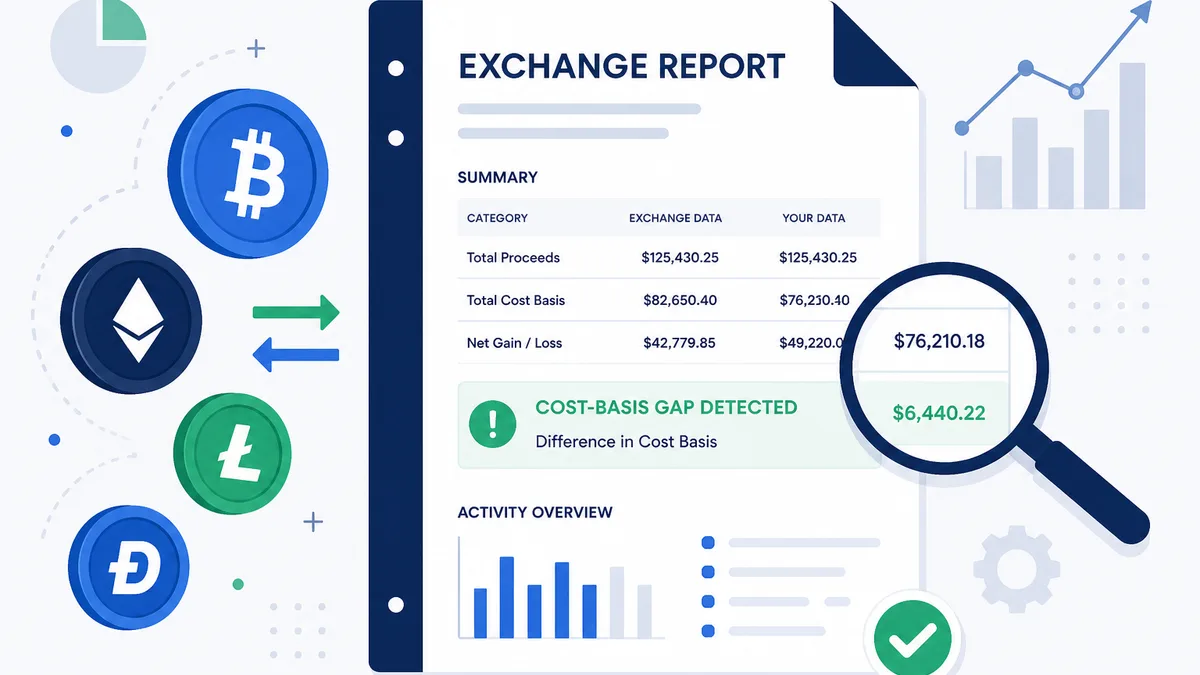
An IRS letter about crypto usually means a broker or exchange reported sales, rewards, or other activity that did not match what appeared on your return. The letter often proposes extra income based on those reports. It is not a criminal charge by itself. Comparing the listed amounts to your own cost basis and transfer history is the practical first step before you agree, partially agree, or disagree in writing.
Why crypto shows up on IRS mail
Digital asset platforms send information returns to the IRS when activity crosses reporting rules for that year. Those reports can include sales, certain transfers, or other reportable events depending on the form and the platform’s process. When the IRS computer system compares that data to your Form 1040 and related schedules, a gap can trigger an underreporter notice.
A common label in this family is a CP2000. That notice proposes changes and invites a response by a printed date. Related letters can cover similar mismatches with different packaging. The tone of the page can feel harsh. The underlying issue is usually a numbers mismatch, not a claim that you acted in bad faith.
If you are still sorting the broader underreporter path, the guide on what to do when the IRS says I underreported income gives a general map. This page stays focused on crypto-specific traps: exchange reporting and missing cost basis.
How exchanges and 1099s feed the letter
Third-party reports are the starting point
The IRS does not invent crypto lines from thin air for most consumer notices. It starts with what platforms reported under your identifying information. That might appear as brokerage-style proceeds, digital asset sales totals, or other information return amounts. Your letter often reprints those figures in a table.
Your return may have told a different story
Perhaps you:
- Reported net gains only and the notice shows gross sales
- Used a different cost basis method than the exchange default
- Moved coins between wallets so the platform’s sale history looks incomplete
- Forgot a small platform entirely while reporting the larger ones
- Treated certain rewards or staking income differently than the report suggests
Any of those can create a gap large enough to generate mail. The letter’s job is to propose a fix based on the data the agency holds, not to reconstruct every wallet hop for you.
Multiple platforms multiply the chance of mismatch
People often use more than one exchange, plus self-custody wallets. Each platform may issue its own report. The IRS may combine lines across sources. If your software import missed one account, the notice can look like a surprise even when you tried to file carefully.
The missing cost basis trap
Gross proceeds are not the same as taxable gain
Taxable gain on a sale is generally proceeds minus your cost basis (what you paid, adjusted under tax rules), with holding period affecting rate in many cases. A platform report may highlight proceeds clearly while basis is blank, incomplete, or marked as unknown. When basis is missing in the IRS file, a proposed change can treat a large share of proceeds as taxable income. That is why an IRS letter about crypto can show a balance that feels disconnected from your real profit.
Transfers can break the chain of basis records
Moving assets from Exchange A to a personal wallet, then later to Exchange B for a sale, is common. Exchange B may know the sale price but not what you originally paid. If you did not keep acquisition records, reconstructing basis takes work. The notice will not wait for perfect memory. Your reply is stronger when you attach a clear worksheet that ties lots to purchases.
Rewards, airdrops, and “free” coins still need a basis story
Some activity starts with coins received as rewards or promotions. Those events can create income when received under applicable rules, and that amount often becomes basis for later sales. Skipping the income year or skipping basis on the later sale can create mismatches in either direction. Keep the timeline simple when you explain it: received date and value, later sale date and proceeds, resulting gain or loss.
How to read the crypto letter calmly
- Confirm the tax year on the first page.
- Find the notice code and any respond-by date.
- List every third-party amount the IRS added or changed.
- Match each line to a platform statement or form you have on file.
- Mark lines where basis was omitted or wrong on either side.
Do not assume every IRS figure is final. Do not assume every figure is wrong. Treat the table like a checklist.
Underreporter notices usually include a response deadline. If you miss it without an accepted extension or other arranged path, the IRS may assess the proposed tax, penalties, and interest based on its figures. Even when you need more time to rebuild basis records, note the date and plan a timely written reply or a documented request path from the letter’s instructions.
Practical options when the letter arrives
Option A: Agree if the numbers are correct
If the platform reports match reality and you simply omitted the activity, agreeing and paying, or arranging payment, can close the loop. Read whether interest and penalties are already calculated. Paying sooner generally limits further growth under IRS rules.
Option B: Partially agree
You might accept one exchange’s totals and dispute another, or accept proceeds while supplying missing basis. Partial agreement is normal when the notice mixes correct and incorrect lines. Label each line clearly in your response package.
Option C: Disagree with documents
Disagreement works best with evidence: corrected statements, broker basis reports, wallet exports, purchase confirmations, and a short cover explanation. ClearNotice’s sample response patterns can help you structure a calm reply without inventing facts. For a deeper walkthrough of evidence that tends to land cleanly, see how to dispute IRS underreported income.
Stock sale notices raise a related “gross vs gain” problem; if equities appear on the same mailing, compare that angle in IRS notice stock sales.
Building a simple crypto worksheet
You do not need fancy software language in your reply. A plain table often helps:
- Asset and lot identifier (or purchase date)
- Quantity sold
- Proceeds
- Cost basis and how you calculated it
- Gain or loss
- Which exchange reported the sale
Attach the source pages that support each row. Highlight the rows that fix the IRS proposal. Keep copies of everything you mail or upload.
When to bring in a licensed professional
Crypto histories with DeFi protocols, NFTs, overseas platforms, wash-sale-like patterns across assets, or multi-year unreported activity can exceed a simple letter reply. A CPA, enrolled agent, or tax attorney who regularly handles digital assets can reconstruct basis, evaluate amended-return questions, and prepare a careful written reply. ClearNotice can help you label the notice type and line up your documents. They do not replace personalized advice for tangled facts.
A short checklist before you mail anything
- Match every IRS crypto line to a platform report
- Rebuild missing basis with purchase records where possible
- Decide agree, partial agree, or disagree per line
- Calendar the respond-by date from the notice
- Keep a full PDF of the letter and your reply package
An IRS letter about crypto is usually a reporting mismatch letter wearing a scary envelope. Exchange 1099-style data and missing cost basis explain most of the sticker shock. Slow comparison, documented basis, and a timely written response are the calm path forward.
Quick follow-ups
Does an IRS letter about crypto mean I am under audit?
Not automatically. Many crypto letters are underreporter notices that propose changes from third-party reports. Read the notice code and whether a written reply is due.
Why does the IRS amount look higher than my real gain?
Brokers and exchanges often report gross proceeds. Without cost basis on the return or in their file, the agency may treat sales as if basis were missing or zero.
What should I gather before I reply?
Exchange yearly summaries, Form 1099-B or 1099-DA style reports if you received them, wallet export files, and any records that show what you paid for each lot you sold.
Upload a photo for a free plain-English explanation of your amounts, deadline, and options.

Founder of ClearNotice · Updated August 2026 · About