A CP05A changes the nature of your refund delay. During the CP05stage, the IRS was working from its own data and your only job was patience. Now the verification has hit a gap the IRS can't close alone, a W-2 it can't match, withholding it can't confirm, and the file sits in a queue that only moves when your documents arrive. That's actually good news wearing a bureaucratic disguise: the outcome is finally in your hands, the evidence requested is ordinary paperwork most people can gather in an evening, and a complete response is the difference between your full refund and a recalculated one.
What is a CP05A notice?
A CP05A tells you the IRS needs supporting documentation to verify your income and federal tax withholding before it can issue your refund. It typically follows a CP05 review that couldn't be completed from IRS records alone, most often because the employer or payer data the IRS relies on is missing, late, or doesn't match what your return claims.
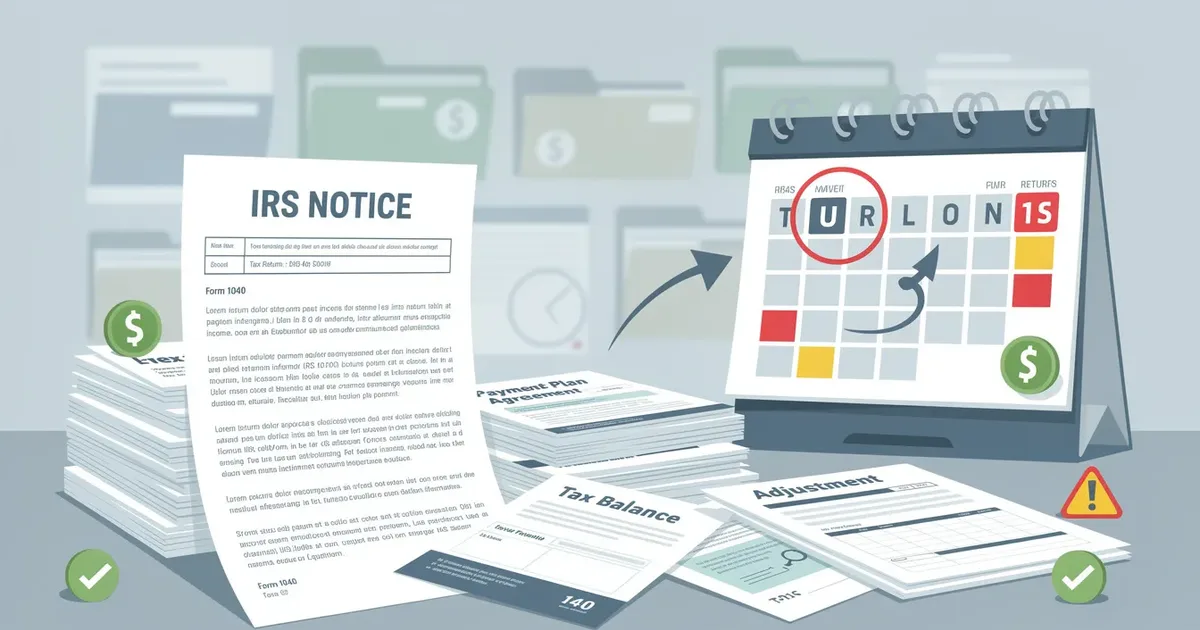
The letter names the tax year, describes what needs verifying, lists the kinds of records that work, and, critically, sets a reply-by date. Respond completely and the review resumes with your evidence in hand; respond not at all and the IRS eventually closes the review on its own data, which generally means the unverified amounts get disallowed and the refund shrinks or disappears, with an adjustment notice explaining the result. Between those outcomes sits the whole value of doing this well.
Why the review needs your documents
- Your employer's filings haven't matched.W-2 data reaches the IRS through a processing pipeline with its own delays; a small employer's late or incorrect filing leaves your reported wages unverifiable from the IRS side.
- Withholding looks unusual.Withholding that's high relative to wages, legitimate as it may be (a bonus payout, a corrected W-4 late in the year), gets verified rather than assumed.
- Multiple or changed employers.Mid-year job changes, staffing agencies and acquisitions produce fragmented payroll records that don't always reconcile automatically.
- Retirement or benefit income.Withholding on pension or annuity payments (reported on 1099-R) sometimes needs the payer's statement to confirm.
- Fraud-filter selection. Some CP05As are simply the anti-fraud screens asking for ground truth, your documents are how a genuine return distinguishes itself from the fabricated ones the filters exist to catch.
How to read your CP05A
THE TREASURY
Want your evidence checklist built for you?
Upload your CP05A and get a free plain-English breakdown of exactly which documents your case needs, and how to package them so the review closes on the first pass.
The evidence checklist: what actually satisfies the review
The request boils down to independently showing three facts for the year:when the wages were earned, the gross income received, and the federal tax withheld. The IRS's own examples of acceptable proof:
Pay stubs, at least three, ending with your year-end statement. The strongest everyday evidence: stubs show pay period, gross pay, and cumulative withholding, and the final or year-end stub ties the whole year together. Pull them from your payroll portal (ADP, Paychex, Workday and the like keep them for years).
A letter on employer letterhead.If stubs are missing, a statement from the employer confirming your dates of employment, wages paid and federal tax withheld, with the employer's contact details on it so the IRS can verify, carries the same weight. HR departments produce these routinely on request.
Retirement or benefit statements.For pension, annuity or similar income, the payer's benefit statements showing gross payments and withholding serve the same role.
Supporting extras that strengthen a thin file: bank statements showing the payroll deposits, your final W-2 (helpful context, though the IRS wants corroboration beyondthe W-2 it's trying to verify), and a short signed statement explaining anything unusual, a mid-year job change, an employer that closed, a corrected W-2.
Your response options
How to respond, step by step
Read the request narrowly
Verify wages? Withholding? Both? For which employer(s)? Answer exactly what's asked, extra unrelated paperwork slows reviews rather than helping them.
Gather from payroll portals first
Most people's stubs and year-end statements are three clicks away in their payroll system. Former employer? The portal usually survives your departure, or HR can reissue.
Assemble the package
Copy of the CP05A on top (required), then documents grouped by employer, then any signed explanation. Label pages; make everything legible.
Submit via the Document Upload Tool
Scan or photograph and upload using the link or QR code on your notice, instant, timestamped, no mail risk. Fax or mail to the notice's address are the fallbacks; certified mail if you post it.
Keep copies and the proof of date
Everything you sent, plus the upload confirmation or mailing receipt. If anything crosses in the system, your dated file resolves it.
Allow up to 60 days for the answer
The IRS asks for up to 60 days from your submission to finish the review. After that: the refund, a follow-up question, or an adjustment notice you can contest. Silence past 60 days is your cue to call, or to involve the Taxpayer Advocate Service if hardship is mounting.
Common mistakes with a CP05A
- Missing the deadline while hunting perfect records, call the number on the notice for more time, or send best-available with an explanation; don't go silent.
- Sending only the W-2, the W-2 is the document under verification; the request is for corroboration around it: stubs, employer letters, deposits.
- Leaving out the notice copy, responses without the notice attached risk wandering the IRS mail system unmatched to your file.
- Mailing originals, copies only, always; originals don't come back.
- Ignoring it because "the IRS already has everything", the whole point of the letter is that it doesn't; the unverified amounts default against you if you don't answer.
CP05A, Frequently asked questions
What is a CP05A notice?
What documents does a CP05A require?
How long do I have to respond to a CP05A?
What happens if I don't respond to a CP05A?
How do I send my CP05A documents?
My employer won't provide records, what do I do?
Related notices
Browse the complete directory of IRS notices orlook up any notice number.