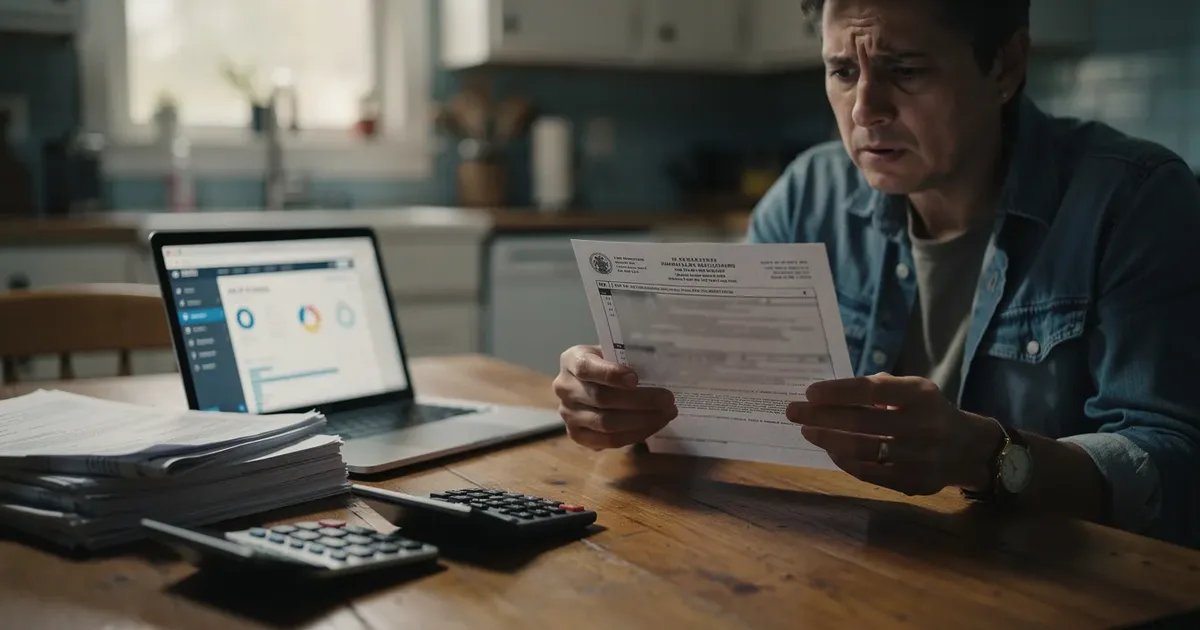
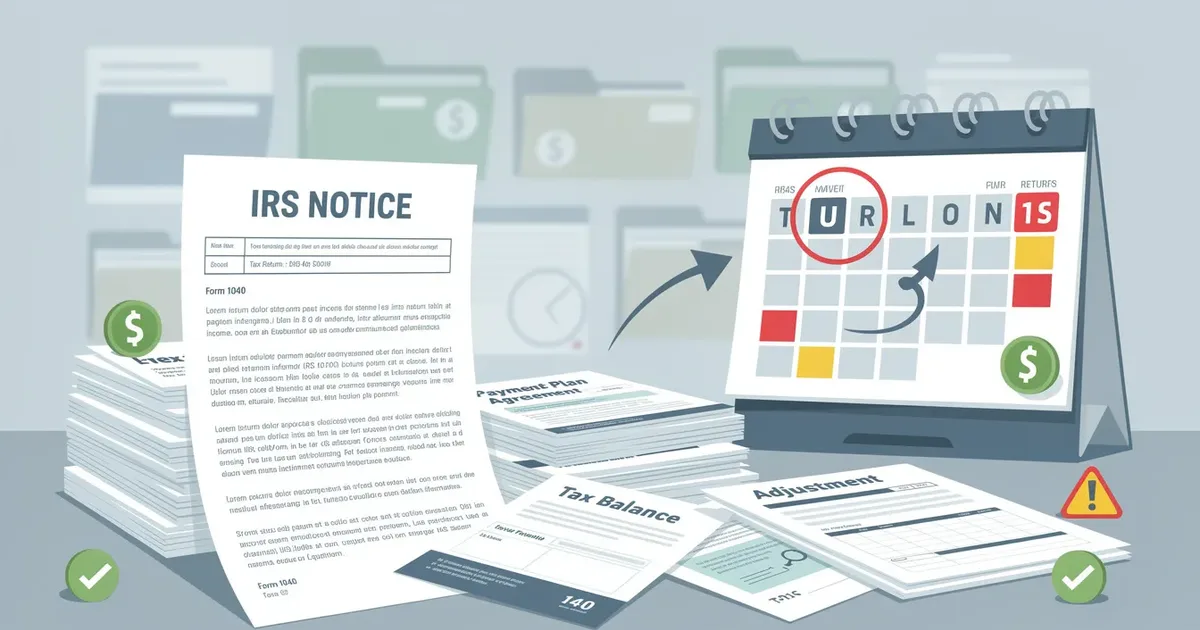
The CP88 is the IRS acting like any careful counterparty: before paying you, it settles the open items. You're owed a refund on the current year; the IRS's records show one or more earlier years unfiled, years whose income documents suggest tax might be due, so the payout waits. What makes this page different from a description of the problem is its focus on the mechanism of the solution: the CP88's own instructions lay out a precise unblocking sequence, down to which years can be e-filed and how long to wait before chasing. Follow the sequence, and the freeze resolves the only way it ever does, forward, through filing.
What is a CP88 notice?
A CP88 tells you the IRS is holding your refund because you haven't filed one or more tax returns, and it believes you may owe taxeson those unfiled years. The logic is escrow: rather than pay out money it might immediately need to collect back, the IRS parks the refund until the missing years resolve. Its commitment is equally explicit, once you've filed all required returns and owe no other taxes,"we'll release your refund."
If this sounds like the CP63, it should: the two are functional siblings in the delinquent-return refund-hold family, and households with several open years sometimes receive both. Treat any combination as a single project, one list of missing years, one filing effort, one release at the end. The CP88's distinguishing practical content is its filing logistics, which is where we'll spend this page: the e-file window, the mail requirements for older years, and the 8-week rhythm of the release.
Why you received it
- Unfiled years with income on record. W-2s and 1099s exist for years with no return, and their gross totals make the IRS suspect a balance. ACP59 may have asked about them already; the CP88 adds the financial pressure.
- A current-year return that surfaced the history. Filing this year, often the first return in a while, triggered the cross-check that found the gaps and froze the result.
- Returns filed but unmatched.Paper filings in the processing backlog, a rejected e-file you believed went through, joint filings recorded under the other spouse's number. The 8-week rule and the "already filed" call exist for this lane.
- Years that didn't require filing.The IRS infers "may owe" from gross documents; below-threshold years genuinely exempt from filing can be explained rather than filed.
How to read your CP88
THE TREASURY
Then scope the work with transcripts, for each required year, the wage and income transcript(the IRS's document stack, and your return-preparation checklist) and theaccount transcript(anything already posted). Years where the documents show heavy withholding are good news twice over: the "may owe" inference weakens, and the eventual release grows.
Want the unblocking sequence mapped for your years?
Upload your CP88 and get a free breakdown of which years block the release, e-file or mail for each, and what the math looks like on the other side.
The unblocking sequence: filing logistics that matter
Recent years: e-file. Returns for the last two tax years can generally still be filed electronically through authorized e-file providers, faster transmission, instant acceptance records, quicker processing. If your missing years are recent, this is the fast lane; use it.
Older years: mail, with documentation.Years beyond the e-file window go by paper: the year's own form version (available on irs.gov), your supporting documents attached as required, signatures complete, certified mail for proof of date. Older-year software from tax vendors can still preparethese returns even when it can't transmit them.
Then: the 8-week rhythm.The notice's own processing standard is8 weeks. Returns filed within the last 8 weeks need no action, wait. Returns filed longer ago that haven't moved the hold: call the toll-free number with your filing proofs. This one number answers the perennial "how long until my money" question, and it's also your escalation trigger.
Finally: the release math. Balances on the late years, tax plus their accumulated penalties and interest, are netted against the frozen refund, an offset in the family of the CP49. The survivor releases to you; any excess debt can go onto a payment plan the notice explicitly offers. Raisingreasonable causefor the late filings when you submit them can trim the penalty side of that equation, worth a paragraph with each return if the years' history supports it.
Your options
How to unblock it, step by step
List the required years and pull their transcripts
The notice names the years; the transcripts scope the work and preview the money.
Sort each year into its lane
E-fileable (last two years), mail-only (older), already-filed (prove), or exempt (explain). Four lanes, one list.
Prepare with your real numbers
Transcripts give income; your records give deductions, dependents and expenses. Multiple years? A CPA or enrolled agent industrializes this, worth it beyond two returns.
File everything, documenting as you go
Acceptance records for e-files, certified receipts for mailings, reasonable-cause statements attached where the history justifies them.
Respect the 8 weeks, then escalate
Watch your online account for each year posting. At week nine with no movement, call the notice's number, proofs in hand.
Audit the release
Refund minus late-year balances minus penalties should equal your deposit. Reconcile it against your transcripts, and question gaps while the file is fresh.
Common mistakes with a CP88
- Waiting for the IRS to "sort it out", escrow has no timer; only filing moves it.
- Filing some years and expecting a partial release, the condition is all-years, and the hold is binary.
- Mailing old returns to the wrong place or unsigned, year-specific forms, complete signatures, the address your notice directs; sloppy mechanics add months.
- Calling at week two, the 8-week rule is real; early calls yield only the hold's status read back to you.
- Forgetting the refund side has a statute too, held or not, old years' refund claims still age toward the three-year limit; the project rewards speed twice.
CP88, Frequently asked questions
What is a CP88 notice?
How do I unblock a refund held by a CP88?
How long until my refund is released after I file?
What if the missing returns show I owe money?
Is a CP88 the same as a CP63?
What happens if I never respond to the CP88?
Related notices
Browse the complete directory of IRS notices orlook up any notice number.