
Sample Letter from IRS: How to Read, Understand, and Respond

Getting a letter in the mail from the IRS can feel alarming, but understanding what you're looking at is half the battle. This guide walks through what a sample letter from IRS correspondence actually looks like, breaks down realistic scenarios, and gives you a clear plan to respond before any deadline passes.
Quick Answer: What a "Sample Letter from the IRS" Looks Like
When people search for a "sample letter from IRS," they're usually trying to figure out what a real IRS notice looks like so they can compare it to something they just received. The IRS sends various types of notices depending on tax situations-common types include balance due notices (CP14), proposed changes to a tax return (CP2000), and installment agreement confirmations (Letter 2604C). Receiving an IRS notice does not necessarily imply that a taxpayer has done something wrong.
Here's what the top of a typical page looks like:
Notice: CP2000 Tax Year: 2023 Notice Date: March 3, 2026 Social Security Number ending in: 1234
IRS notices typically include a notice number in the upper right hand corner. Codes starting with "CP" are computer-generated notices, while codes like "LTR" or "Letter" (e.g., Letter 2604C, Letter 525) come from specific IRS departments. Many IRS letters are generated automatically by computer systems, though both types arrive by mail and can appear in your IRS online account. A common purpose of IRS letters is to notify taxpayers about a balance due, refund adjustments, and other issues related to taxes.
If you have an IRS notice in hand and want to quickly decode it, ClearNotice is an online tool where you can upload your letter and receive a plain-English explanation, key deadlines, and the exact steps you need to take.
Anatomy of a Typical IRS Notice or Letter
Most IRS letters share a common structure, whether the notice number is CP14 for a balance due, CP2000 for underreported income, or Letter 2604C for an installment agreement. A standard IRS notice often contains a summary of changes and remaining balances. Here's what to watch for:
Header area: The notice or letter number sits in the upper right, alongside the tax year, notice date, IRS contact phone number, and your name, address, and last four digits of your SSN.
Summary box: Page one usually features a billing summary with line items-"Tax you owe," "Penalty," "Interest," and "Total amount due by [date]." This is where you find the essential details at a glance.
Explanation section: Later pages include "Why We Are Contacting You" or "Explanation of Changes," listing specific reasons such as "We received a Form 1099-INT from First National Bank that was not reported on your 2023 return."
Response and payment forms: The end of the notice often contains detachable payment vouchers, response forms, and instructions labeled "If you agree" or "If you disagree."
IRS notices can be searched by number or topic on the IRS website, which has a specific portal where users can access guidance on notices and letters. The IRS may also send notices for various tax-related issues, and some notices may request additional documentation to support deductions or credits you claimed.
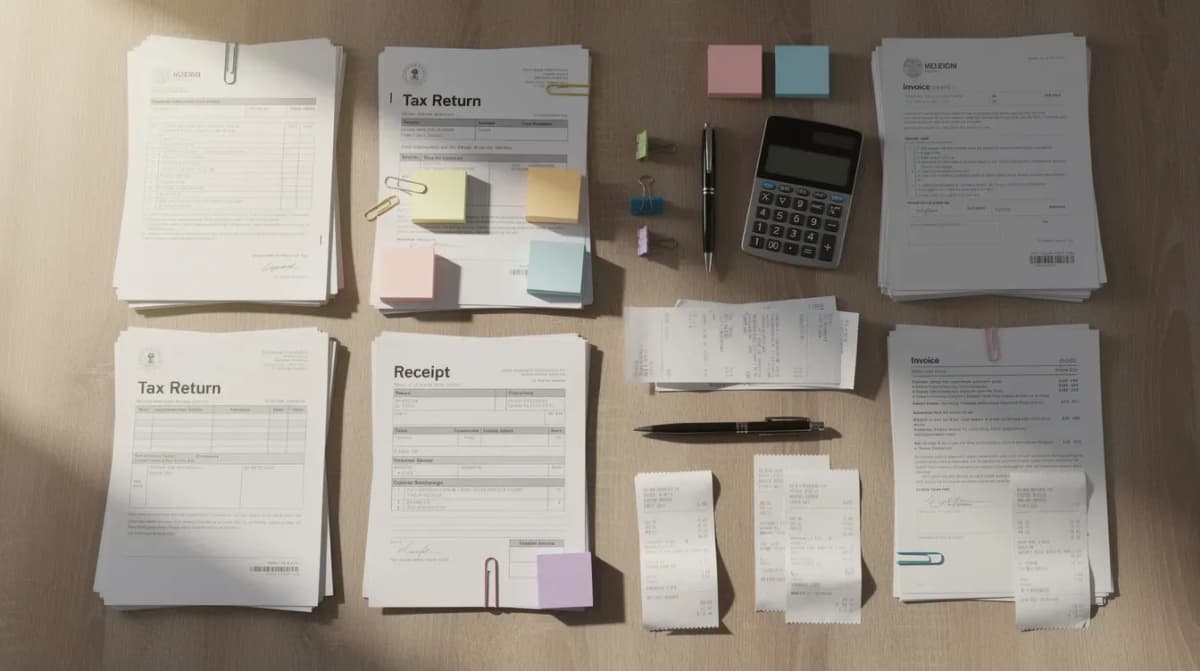
Realistic Sample IRS Letter Scenarios Related to Your Tax Return
Instead of abstract templates, here are three concrete sample letter from IRS scenarios with realistic amounts and dates, each showing a different case. Each includes sample wording to help you identify what you're holding.
CP14 – Balance Due: Tax Year 2024, notice date June 10, 2026, total amount due $1,250 by July 5, 2026. The CP14 notice indicates that a taxpayer has an unpaid tax balance after filing. Sample wording: "Our records show you filed your 2024 return but did not pay the full amount of tax shown due. You now owe $1,250.00 by July 5, 2026."
CP2000 – Proposed Adjustment: Tax Year 2023, notice date March 3, 2026. The IRS proposes an additional $2,800 in tax because a brokerage Form 1099-B wasn't included on your return. A CP2000 is sent when reported income does not match IRS information from third parties. It's a proposed adjustment to a tax return, not an audit notice. The notice compares "Reported by others: $5,000" vs. "Reported on your return: $0." Sample wording: "It appears you did not report $5,000 of brokerage sales proceeds, which could increase your tax by $2,800."
Letter 2604C – Installment Agreement Approval: Dated September 1, 2025, confirming $150 monthly payment due on the 28th of each month starting October 28, 2025. IRS Notice 2604C informs taxpayers of installment agreement approval. The notice outlines monthly payment amounts and due dates, plus conditions like filing all future returns on time. Sample wording: "We have approved an installment agreement for your unpaid 2023 tax liability. Your first payment of $150 is due by October 28, 2025."
Step‑by‑Step: What to Do When You Receive an IRS Notice
Whether you receive a CP14, CP2000, or Letter 2604C, the response process follows a predictable set of steps. IRS letters often require taxpayers to take action by a specific deadline, and moving quickly can save you from escalating penalties.
Verify authenticity: Check for the notice number, the IRS logo, and the locked padlock icon if viewing online. Confirm the contact information matches official IRS sources. If you're checking online, you may need to click through to the matching notice page. The IRS may also inquire for identity verification before processing certain tax returns.
Compare to your tax records: Pull your filed tax return, W-2s, 1099s, and bank statements. Match every item the IRS references. For CP2000, review what third parties submitted on your behalf.
Note every deadline: Pay any amount due by the due date to reduce penalties. Respond by the due date to guarantee your appeal rights. CP14 typically gives 21 days; CP2000 gives 30 days; a Statutory Notice of Deficiency (CP3219A) gives 90 days and that deadline is non-extendable.
If you agree: Sign and return the response form, pay what you owe, or settle the balance through available methods. Save a copy for your records.
If you disagree: Follow the notice's instructions to dispute it. Send a clear explanation in writing with copies of supporting documents. If you can't pay in full, request an installment agreement at IRS.gov-once approved, the IRS will send a Letter 2604C confirming the terms. Taxpayers must keep track of their installment agreement documentation to stay in compliance.
ClearNotice can help you resolve an issue faster by decoding your specific notice number, identifying action items and dates, and offering practical tips for any reply you need to send.

How to Write a Response Letter to the IRS (with Example Structure)
Some situations require a written reply-disagreeing with a CP2000, explaining missing information, or requesting penalty abatement. Responding to an IRS notice typically requires a clear explanation and supporting documents if disputing. Use a business letter format for your response to the IRS.
What to include at the top:
Element | Example |
|---|---|
Your name and address | Jane Doe, 123 Main St, Austin TX 78701 |
Phone number | (512) 555-0199 |
SSN (last four) | XXX-XX-1234 |
Tax year | Tax Year 2023 |
IRS notice reference | Re: Notice CP2000, dated March 3, 2026 |
IRS control number | As shown on the notice |
Body structure:
Opening: State whether you agree or disagree, and briefly why.
Explanation: Reference specific dollar amounts, line numbers from your return, and the contents of any updated information you're providing.
Enclosures: List every document enclosed-copies of Form W-2, corrected Form 1099-INT, brokerage statements. Never send originals.
Include a copy of the IRS notice when responding. Be factual, polite, and concise. Answer exactly what the notice asks. Here's an example paragraph:
"I disagree with the proposed adjustment regarding the $5,000 in proceeds from XYZ Brokerage. I reported this activity on Schedule D, Line 7. Enclosed is a corrected Form 1099-B and my brokerage statement showing both cost basis and proceeds. I request that the record be updated accordingly."
ClearNotice can generate a personalized draft response once you upload your notice-ready for you to review, edit, and send by mail or fax before the deadline.
When to Get Extra Help with an Installment Agreement and How ClearNotice Fits In
Many IRS letters-like a small CP14 bill-can be handled on your own. But some cases call for professionals with real expertise. Watch for these red-flag scenarios:
Notices showing more than $10,000 due
Audit or examination letters (Letter 566, Letter 525)
Repeated letters about the same issue with no result
Threats of levy, lien, or passport restriction
Rejected installment agreements or complex international income
ClearNotice does not replace a CPA, Enrolled Agent, or tax attorney. It helps you understand your IRS notice quickly, organize deadlines, and begin preparing better questions for any advisor you hire. The intent is to give clients clarity, not to provide legal representation.
How ClearNotice works:
Upload a PDF or photo of your IRS letter.
The tool detects the notice number (CP or LTR).
You receive a plain-English summary, key dates, action items, and tailored guidance-whether that means amending a return, setting up a payment plan, or simply clicking "pay" online.
If you have an IRS notice in hand right now, upload it to ClearNotice. Stop guessing what the letter means and take the correct next step before any IRS deadline passes.
Keep reading
 Just got a letter (panic guides)
Got a Heavy Package From IRS? Here Is What It Means
A shipping alert about a heavy package from IRS sounds alarming, but it almost never means what you think. This guide explains what those packages really are and what to do next.
 Just got a letter (panic guides)
IRS Notices and Letters: What to Do Next: IRS Guide
Getting a letter from the IRS can be alarming, but most IRS notices and letters are routine. This guide walks you through exactly what to do, step by step, in plain English.
 Just got a letter (panic guides)
IRS Notice Codes Explained: What Each Letter Means
An IRS letter can be alarming, but every notice includes a specific code that tells you exactly what it is about. This guide explains how IRS notice codes work, what the most common ones mean, and your immediate next steps.