
Do I need a tax attorney for an IRS notice?
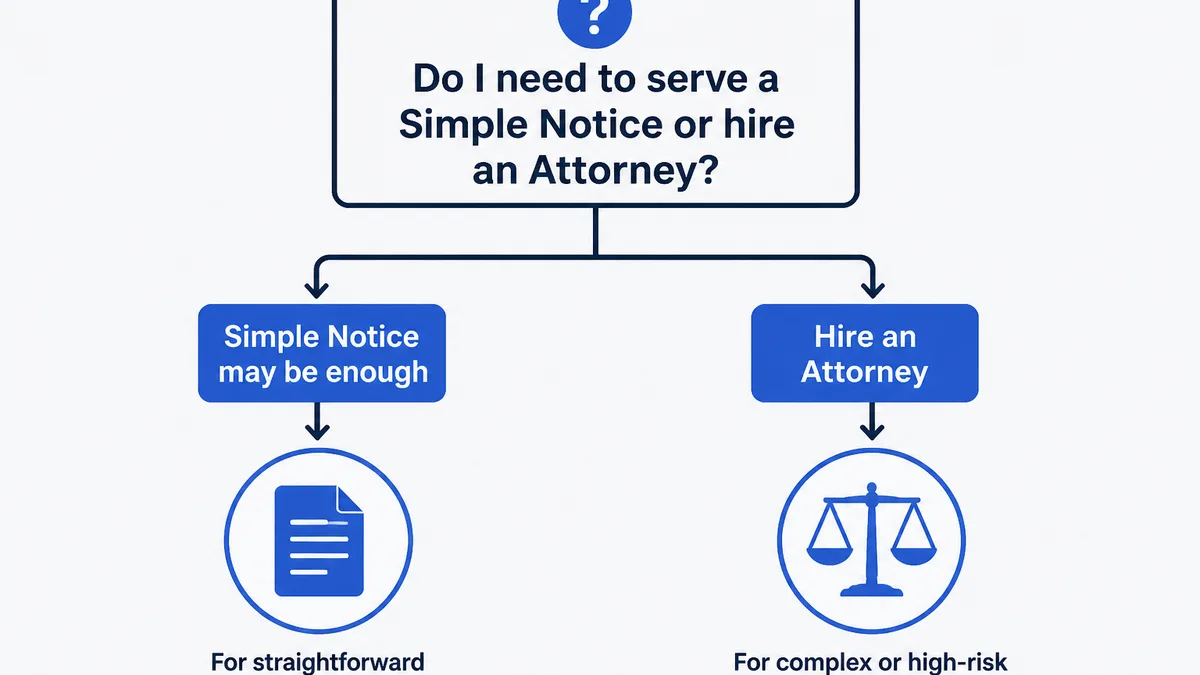
Most people do not need a tax attorney for an IRS notice on day one. Many letters are routine: a balance due, a missing form, a refund review, or a proposed change you can answer with documents. A tax attorney becomes important when the notice carries court language, collection enforcement is active, facts are legally complex, or the dollar stakes and stress exceed what self-help or a CPA can comfortably handle. Honest triage saves money and panic.
A simple triage frame
Ask four questions before you hire anyone:
- What does the notice code say the issue is?
- Is there a hard respond-by or petition date soon?
- Do I agree with the IRS numbers or dispute them with records?
- Could wrong moves create lasting legal or collection harm?
If the letter is a first balance bill and you agree you owe, self-help or a short CPA call may be enough. If the letter mentions petitioning the United States Tax Court, treat question four as urgent and consider counsel quickly.
ClearNotice exists to help with the first bucket: understanding what the letter means and what ordinary next steps look like. Read about for how the product fits alongside professional help, and see pricing if you want software support before you pay hourly professional fees.
When self-help is reasonable
Self-help can work when:
- The notice has a clear code you can look up
- You have the underlying documents (W-2s, 1099s, receipts)
- The amount in dispute is modest relative to your stress budget
- The letter gives a plain reply path by mail or online upload
- You are organized enough to meet a deadline with a cover letter and exhibits
Examples that often fit self-help after you read the letter carefully:
- First payment reminder when you plan to pay or request a plan
- Simple underreporter proposals where your missing 1099 explains the gap
- Identity verification letters when you are the real filer and have ID ready
- Refund hold notices that only ask you to wait unless they request documents
Self-help does not mean winging it. It means you use structured tools, keep copies, and respect dates. If you miss a deadline, read what happens if you ignore an IRS notice and act rather than hide.
When a CPA or enrolled agent fits
Certified public accountants and enrolled agents handle a large share of civil IRS notice work. They can:
- Pull wage and income transcripts
- Prepare amended returns when needed
- Draft disagreement letters with schedules
- Set up payment plans in many routine cases
- Represent you on audit-style document requests in many situations
Choose a CPA or EA when:
- The issue is mostly accounting, not courtroom strategy
- You need someone to reconstruct books or reconcile 1099s
- You run a small business with messy records but no fraud allegations
- You want representation without attorney hourly rates for a non-court notice
Verify credentials. Ask whether they have experience with your notice code. Ask for a written fee estimate tied to tasks, not vague promises.
When a tax attorney is the better call
Attorney help is often worth it when:
- The notice is statutory and mentions Tax Court petition rights
- Liens, levies, or seizure threats are already on the table
- You received contact that suggests criminal tax investigation
- Multiple years of assessments overlap with bankruptcy or divorce
- You need privilege-sensitive advice about past filing choices
- A large proposed deficiency depends on legal characterizations, not just math
Tax attorneys also help when collection action would threaten housing, payroll, or business survival and you need negotiation with enforcement staff who expect represented taxpayers.
That does not mean every scary envelope requires a lawyer. It means the cost of attorney review is small compared to losing a petition deadline or signing an agreement you do not understand.
Side-by-side comparison
| Factor | Self-help / software | CPA or EA | Tax attorney |
| --- | --- | --- | --- |
| Best for | Clear, low-stakes notices | Document and return fixes | Court dates, enforcement, legal judgment |
| Typical cost | Lowest | Moderate hourly or flat project | Higher hourly, high value on hard cases |
| Representation | You speak for yourself | Licensed before IRS on many matters | Licensed, strong on disputes and privilege |
| Speed | Fast if you are organized | Depends on their queue | Often prioritized when dates are tight |
No row wins every time. A CPA saves money on a CP2000 with obvious missing income. An attorney saves grief on a Notice of Deficiency where the petition clock is running.
Red flags that push you toward counsel sooner
- Language about petitioning Tax Court or a statutory notice of deficiency
- Revenue officer contact about enforced collection
- Wage levy or bank levy already in motion
- Allegations you cannot explain with ordinary records
- Prior unfiled years now coming into one combined demand
- Spouse disputes on a joint return where positions conflict
If two or more red flags appear together, a consultation is usually cheaper than guessing.
Do not ignore a Tax Court petition deadline because you are still deciding whether to hire help. Many attorneys offer short intake calls precisely to protect that date. Missing it can close a forum even when you had a strong factual dispute.
How to interview any professional
Whether you hire a CPA, EA, or attorney, ask:
- Have you handled this notice code before?
- What documents will you need from me in the first week?
- What outcomes are realistic: full win, partial win, payment plan, or appeal?
- How do you charge: flat fee, hourly, or hybrid?
- Who communicates with the IRS, you or me?
Walk away from anyone who guarantees full elimination of a valid tax debt before seeing papers, or who asks for payment by gift card.
Where ClearNotice fits in the stack
Software and plain-English guides help you decide whether the letter is in the self-help bucket at all. They reduce fear and organize facts before a professional meter starts running. That can lower billable hours because you arrive with the notice code, deadlines, and documents sorted.
If triage shows the case is simple, you may never need a professional. If triage shows court or levy language, the same organized packet makes an attorney intake faster. Either way, understanding the letter first is not wasted effort.
Joint returns and third-party promises
Joint liability notices sometimes push one spouse to hire aggressive representation while the other spouse disagrees on facts. Align internally before anyone signs power of attorney forms. Innoc spouse relief exists as a separate legal path, but eligibility is fact-specific. A tax attorney can explain the landscape; this article does not provide legal advice on innocent spouse claims.
Also be skeptical of national tax relief ads that blur attorney, CPA, and call-center roles. Ask who holds your case and what license backs the work.
Practical decision paths
Path A: Read, reply, done. Look up the code, gather one or two documents, mail or upload on time. No hire. Path B: Short CPA engagement. CPA reconciles numbers, sends one letter, you stay in the loop. Path C: Attorney for one narrow issue. Attorney protects a deadline or negotiates a levy release while you keep daily life stable. Path D: Full representation. Multi-year controversy with appeals, where coordination among return prep, transcripts, and collection staff matters.Most readers land in A or B. Knowing that early prevents overspending on D when B would suffice.
Closing triage thought
Do I need a tax attorney for an IRS notice? Often no at the first envelope. Yes when court clocks, enforcement, or legally tangled facts dominate. CPAs and enrolled agents cover much of the middle ground well. Start by understanding the letter, respect the deadline, then match the helper to the risk. See about and pricing for how ClearNotice supports the self-help side of that ladder without replacing licensed advice when your notice outgrows DIY.
Quick follow-ups
Does every IRS letter require a tax attorney?
No. Many routine notices about balances, simple mismatches, or refund holds can be handled with self-help, tax software, or a CPA or enrolled agent.
When is a tax attorney usually worth it?
Statutory notices with Tax Court language, serious collection threats, criminal investigation contact, or complex multi-year disputes often justify attorney review.
Can a CPA or enrolled agent respond instead of a lawyer?
Yes. CPAs and enrolled agents can represent taxpayers before the IRS on many civil notice issues and often cost less for non-court matters.
Upload a photo for a free plain-English explanation of your amounts, deadline, and options.

Founder of ClearNotice · Updated August 2026 · About