
IRS notice vs letter: what's the difference?
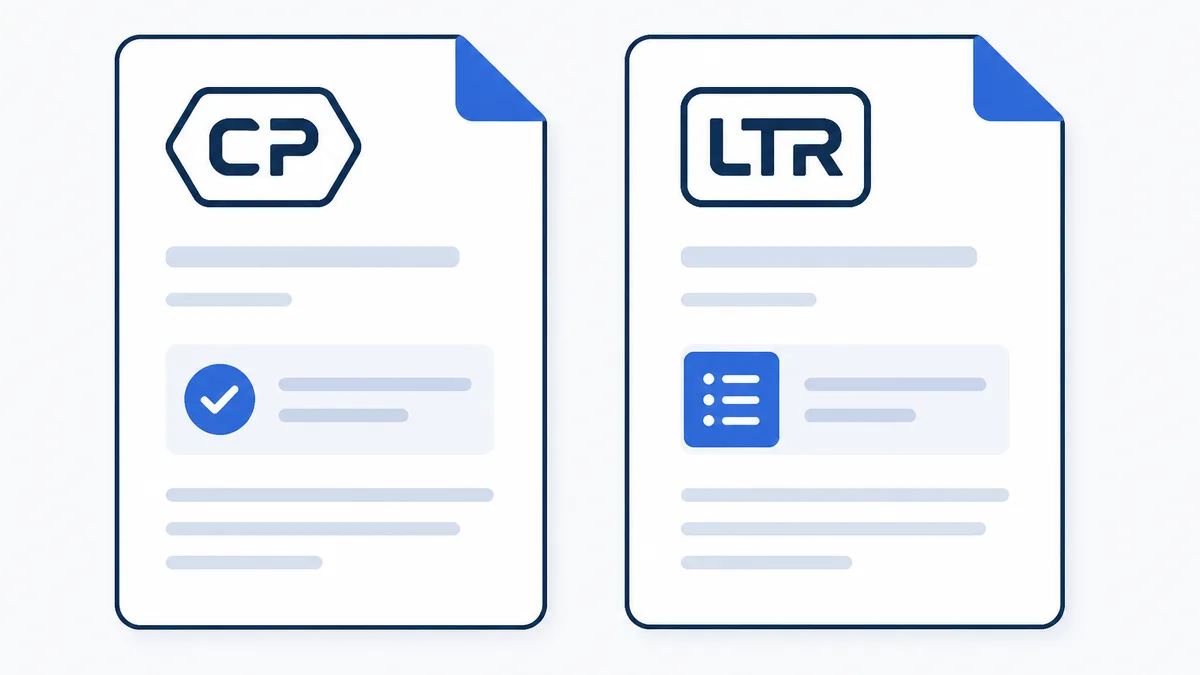
People often search IRS notice vs letter after seeing both words on envelopes and websites. In everyday use, “notice” and “letter” both mean official IRS mail about your account. The practical difference is usually the code style (CP-series versus Letter or LTR-style numbering) and what that code asks you to do next, not a secret ranking of severity.
What “notice” and “letter” mean in plain English
Taxpayers, IRS publications, and help desks mix the two words. A balance bill may be called a notice. An identity request may be called a letter. Collection follow-ups may use either label in conversation. For your decisions, the label is a clue, not the whole story.
Think of both as account mail from the IRS. Each piece should show:
- A short code that identifies the template
- A tax year or period
- A reason paragraph
- Instructions about paying, replying, waiting, or verifying
- Contact details tied to that template when a call is appropriate
If you are still mapping why the mail arrived at all, start with the broader guide on why you got an IRS letter, then return here to sort the code style.
CP codes versus Letter (LTR) numbering
CP-style notices
Many high-volume consumer mailings use a CP code: CP followed by digits, sometimes with a letter suffix. Examples you may already recognize include balance bills, refund review mail, and underreporter proposals. CP templates are built for common account events. They often include tables, amount lines, and a clear respond-by or payment-due date.
CP mail is still serious when it carries a deadline or a proposed increase. The “CP” prefix does not mean the issue is minor. It means the IRS is using a numbered consumer notice series that appears frequently in the notices library.
Letter-style and LTR-style codes
Other mailings print “Letter” plus a number and letter (for example, Letter 5071C) or an LTR-style identifier in older references. Identity verification, certain exam correspondence, and specialized follow-ups often use letter numbering. The layout can feel more narrative and less like a bill stub, yet the content can still freeze a refund or demand a reply by a printed date.
When someone says “I got a letter,” they may mean any IRS envelope. When someone says “I got a CP notice,” they usually mean a CP-coded page. Neither phrase tells you the outcome by itself.
Why the IRS uses two families
Volume and purpose drive the split. Routine balance and mismatch work often rides on CP templates. Security checks and some exam paths ride on letter templates. Behind the scenes, both update your master account. On your kitchen table, both deserve the same careful reading.
Where to find the code on the page
Open the mailing flat and work from the first page:
- Look near the top right for CP#### or Letter ####X
- Confirm the same code appears consistently if a second page repeats a header
- Write the code exactly, including trailing letters
- Note the notice or letter date printed near the header
- Circle any respond-by, payment-due, or “do not call until” language
If the print is faint or the page is a photocopy, still capture every character. A wrong digit sends you to the wrong explanation. ClearNotice’s notice lookup is built for matching those codes to short, plain summaries before you invent a theory.
Also scan for:
- Your name and address block
- The last four of a TIN when shown
- A barcode or scan line near payment stubs
- Enclosure lists that tell you which pages to return
Those details help you confirm the mail is about your account and help a licensed professional read it later if you need one.
What changes in practice (and what does not)
What usually does not change
Whether the header says notice or letter, you should:
- Keep every page and the envelope
- Calendar any printed date
- Compare dollar tables to your own W-2s, 1099s, or payment proofs when amounts appear
- Prefer the phone number on the page over a random search result when a call is needed
- Avoid paying anyone who contacts you out of the blue demanding gift cards or crypto
Scam risk and recordkeeping habits are the same for both formats. If you want a separate checklist for authenticity signals, see how to know if an IRS letter is real.
What can change
The code family often hints at the workflow:
- CP balance notices frequently emphasize amounts due and payment timing
- CP underreporter notices usually propose changes and invite agree, disagree, or partial agree replies
- Letter identity mail focuses on verification steps more than a classic bill layout
- Exam-style letters may request specific documents or schedule next contacts
Reply channels can differ too. Some templates prefer a signed response page and mail-in package. Others point to an online identity tool or a dedicated phone line. Follow the instructions printed for your code rather than recycling steps from a friend’s different mailing.
Deadlines are real in both families. A calm tone on a letter page does not erase a petition window or a document due date. A busy table on a CP page does not automatically mean you already owe the proposed figure if the notice still invites a timely dispute.
Treat every printed respond-by, payment-due, or petition-related date as live, whether the page is labeled notice or letter. Letting that date pass can shrink reply options or allow proposed figures to move toward assessment under IRS procedures. Put the date on your calendar the day the mail arrives.
Putting the label to work
A fifteen-minute briefing script
Use this short script so IRS notice vs letter confusion does not stall you:
- Copy the code and tax year onto a sticky note
- Write one sentence: “This asks me to pay / reply / wait / verify”
- Look up the code in notice lookup or browse the matching guide in notices
- List documents you already have that match any income or withholding table
- Decide whether you can act alone or need a CPA, enrolled agent, or tax attorney
If you prefer digital tracking, an IRS online account can show some notice history once you enroll. Pair that with the paper original when the online image is incomplete; see IRS online account notices for limits and setup.
When wording still feels muddy
Some packages include a CP page plus an enclosure that reads like a letter. Others reference a prior letter number inside a newer CP mailing. In mixed packets, catalog every code you see, then work from the newest deadline first. If business returns, multi-state income, or prior bankruptcies sit underneath the mail, a licensed professional can read transcripts and tell you which clock matters most.
Marketing claims that “letters are always audits” or “notices are always bills” are too blunt. Your code, your year, and your instruction block are the reliable trio.
Closing checklist
- Confirm whether you hold a CP code, a Letter code, or both in one package
- Ignore urban legends about which word is “worse”
- Match the code before you draft a reply or make a payment
- Calendar the date that controls your next move
- Store a complete copy before you mail anything back
Sorting IRS notice vs letter language is mostly a labeling problem. Solve the label with the printed code, then follow that template’s instructions. That sequence turns a vague envelope into a concrete task list without inventing extra fear.
Quick follow-ups
Is a notice more serious than a letter?
Not automatically. Severity depends on the specific code and what it asks you to do, not on whether the header says notice or letter.
Where should I look for CP or Letter codes?
On most pages, scan the upper right for CP plus digits or Letter plus a number and letter. Copy the code exactly, including any suffix.
Do notice and letter formats use the same reply rules?
Both can carry deadlines, payment asks, or document requests. Read the respond-by language on your page rather than assuming one format is softer.
Upload a photo for a free plain-English explanation of your amounts, deadline, and options.

Founder of ClearNotice · Updated August 2026 · About